

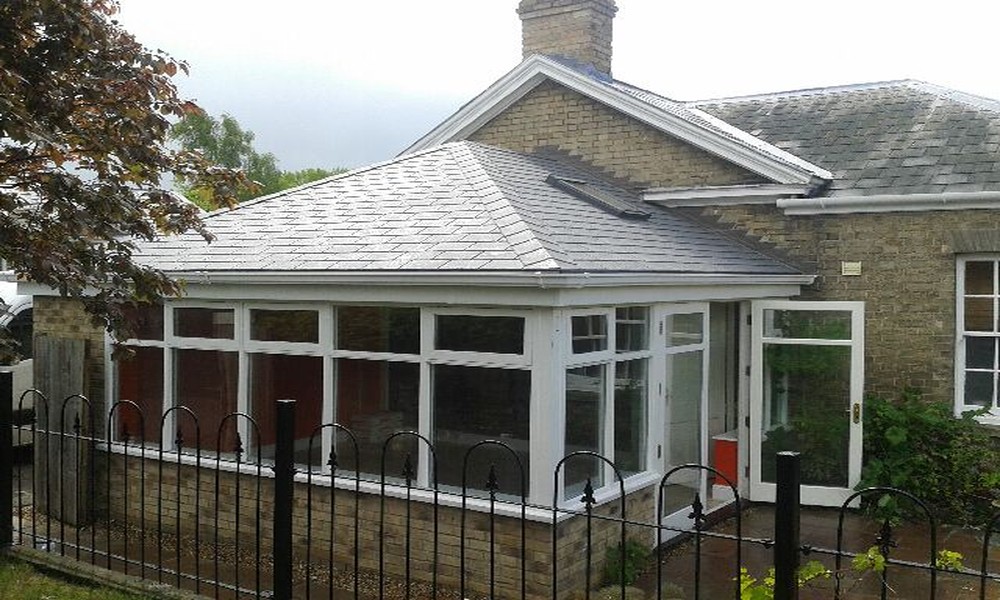
For many homeowners, a conservatory is a welcome addition – until the weather changes. Too hot in summer, freezing in winter, and noisy when it rains, conservatories often end up being used for only a few months of the year. Fortunately, modern roofing solutions mean this no longer has to be the case.
A tiled conservatory roof is increasingly being chosen by homeowners who want to transform their conservatory into a comfortable, usable room all year round, without the cost or disruption of building a full extension.
Why Traditional Conservatory Roofs Fall Short
Older conservatories typically feature glass or polycarbonate roofs. While these materials allow plenty of natural light, they offer poor thermal performance. Heat escapes quickly during colder months and builds up rapidly during warmer weather, making temperature control difficult.
Noise is another common issue. Rain, wind, and even hail can be amplified by lightweight roofing materials, turning the space into an uncomfortable environment rather than a peaceful retreat.
As a result, many conservatories become glorified storage rooms instead of the functional living spaces they were intended to be.
What Makes a Tiled Conservatory Roof Different?
A tiled conservatory roof is designed to perform more like the roof of a standard home. Using lightweight tiles combined with high-performance insulation, it dramatically improves thermal efficiency while remaining suitable for existing conservatory structures.
Unlike traditional roofs, tiled systems are engineered to regulate temperature, keeping the space warmer in winter and cooler in summer. This consistent comfort allows homeowners to use their conservatory as a dining room, home office, playroom, or snug throughout the year.
Improved Insulation and Energy Efficiency
One of the biggest advantages of a tiled conservatory roof is insulation. Modern systems incorporate advanced insulating layers that significantly reduce heat loss. This not only improves comfort but can also help lower heating costs by reducing the amount of energy needed to warm the room.
In summer, the same insulation helps prevent overheating by reflecting excess heat away from the space, creating a more balanced internal temperature regardless of the season.
A Quieter, More Comfortable Space
Replacing a glass or polycarbonate roof with a tiled alternative can also reduce noise dramatically. Rainfall becomes barely noticeable, and wind noise is significantly minimised. This makes the conservatory far more suitable for everyday activities, from watching television to working from home.
For households seeking a calm and comfortable living area, this solid roof conservatory improvement alone can be a deciding factor.
A Seamless Look That Adds Value
A tiled conservatory roof doesn’t just improve comfort – it enhances appearance too. Available in a range of tile finishes and colours, it can be designed to complement the existing roof of the house, creating a seamless transition between the conservatory and the main property.
This cohesive look can increase the perceived value of the home and make the conservatory feel like a natural extension rather than a bolt-on structure. For homeowners thinking long term, this can be a smart investment.
Minimal Disruption, Maximum Impact
One of the most appealing aspects of a tiled conservatory roof upgrade is the speed of installation. In many cases, the existing roof can be replaced in just a few days, with minimal disruption to daily life. There’s no need for major groundwork or lengthy construction schedules.
Specialist companies such as Conservatory Roof Specialists focus on designing systems that work with existing frames, ensuring a safe, compliant, and efficient transformation.
A Practical Alternative to a Full Extension
For homeowners who want more usable living space but don’t want the cost, planning complexity, or disruption of a traditional extension, a tiled conservatory roof offers an ideal middle ground. It allows the space to be enjoyed every day of the year, without sacrificing light, comfort, or style.
