

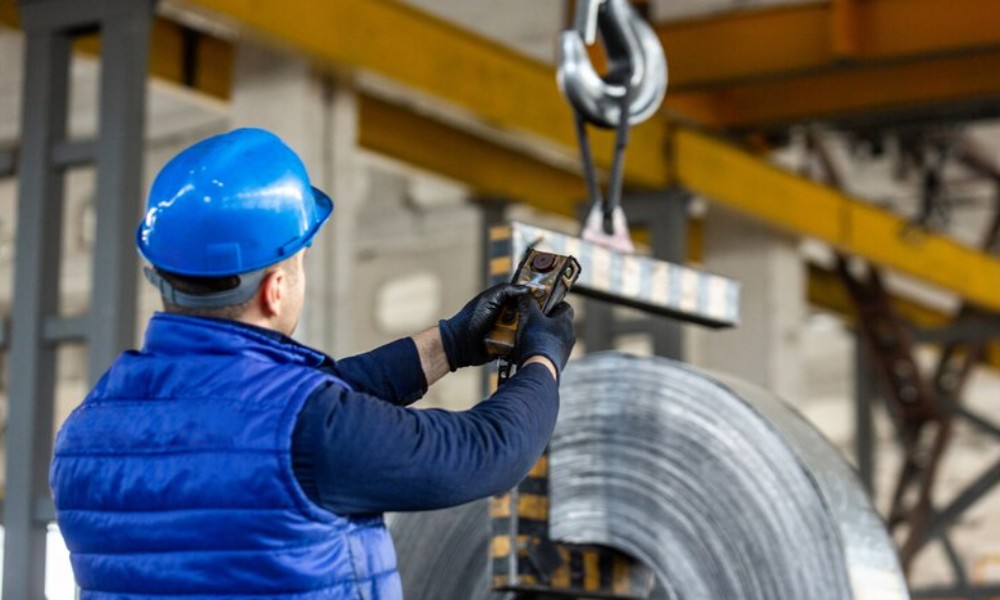
Moving heavy equipment is a complex task that requires careful planning and the right expertise. Whether in construction, manufacturing, or industrial settings, lifting and relocating large machines can be risky without proper techniques. This is where professional rigging services come in. Rigging ensures that heavy equipment is moved safely, efficiently, and without causing damage to the machinery or the surrounding environment.
Understanding Rigging and Its Importance
Rigging is the process of using specialized equipment and techniques to lift, move, or secure heavy objects. This can include cranes, hoists, slings, chains, and other hardware designed to handle extreme weights. The goal of rigging is not just to move objects but to do so in a controlled and safe manner. Proper rigging reduces the risk of accidents, injuries, and equipment damage, which are common when heavy machinery is handled without expertise.
Planning Before Moving Heavy Equipment
One of the key aspects of successful rigging is planning. Professional riggers evaluate the weight, shape, and fragility of the equipment. They also assess the path of movement, identifying obstacles or areas that require additional support. This planning ensures that all potential hazards are addressed before the move begins. By carefully planning each step, rigging services make the moving process much safer and reduce the chance of delays or costly mistakes.
Specialized Tools and Equipment
Rigging services rely on specialized tools and equipment to handle heavy machinery. Cranes, forklifts, hoists, and custom rigging hardware allow equipment to be lifted and positioned accurately. Slings and chains are carefully selected based on the load’s weight and shape to prevent slipping or damage. Using the correct equipment is crucial because even minor errors in handling heavy objects can lead to accidents or breakdowns.
Expertise and Skilled Professionals
A major advantage of hiring rigging services is the expertise of trained professionals. Riggers understand how to balance loads, secure machinery, and operate lifting equipment safely. Their experience helps them anticipate problems and take precautions that someone without training might overlook. Skilled riggers follow industry safety standards and protocols, ensuring that each move is performed with minimal risk.
Reducing Damage and Downtime
Heavy equipment is expensive, and any damage can result in costly repairs and downtime. Rigging services help protect both the equipment and the worksite. By using proper lifting techniques and securing machinery correctly, riggers prevent scratches, dents, and structural damage. This not only preserves the equipment’s value but also keeps projects on schedule by avoiding unexpected interruptions.
Enhancing Overall Safety
Safety is the top priority in any heavy equipment move. Rigging services reduce the chance of accidents that can harm workers or damage property. By implementing controlled lifting methods, using safety gear, and following strict procedures, riggers create a safer work environment. Companies that invest in professional rigging services demonstrate a commitment to workplace safety, protecting both their employees and their assets.
Conclusion
Moving heavy machinery can be challenging and dangerous without the right knowledge and equipment. Rigging services make this process safer and easier by combining careful planning, specialized tools, and skilled professionals. These services not only protect equipment but also reduce downtime and enhance overall workplace safety. Whether for construction sites, industrial facilities, or manufacturing plants, professional rigging ensures that heavy equipment is moved efficiently and securely, giving businesses peace of mind and maintaining productivity.
