

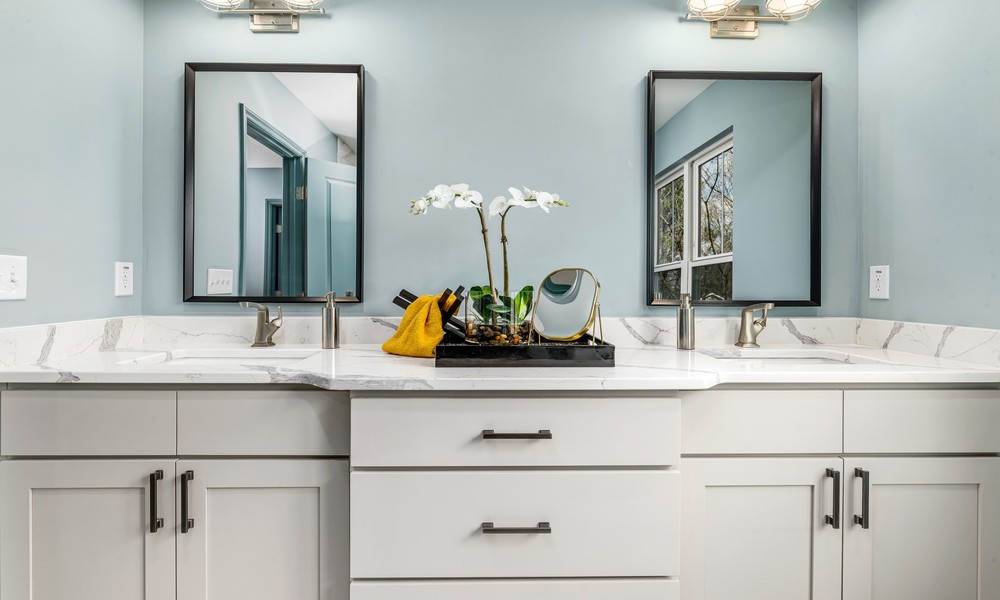
Bathroom design has come a long way from the days when fixtures were an afterthought and vanities were little more than utilitarian cabinets. Today, a well-coordinated bathroom can feel like a private retreat, every detail working in harmony to create a space that feels both functional and beautiful. Achieving that level of cohesion starts with understanding the interplay between your vanity and the fixtures that surround it.
Origins of Bathroom Vanity Design and Fixture Coordination
The earliest bathrooms, often pieced together from whatever plumbing and furniture were handy, prioritized function over form. Tubs, sinks, and toilets were practical, but rarely matched in style or finish. As homes began to prioritize comfort and aesthetics, the vanity emerged as the anchor of the bathroom. It not only offered storage but became the stage for the sink and a showcase for design flourishes.
Once the vanity became a focal point, a new challenge appeared: how to coordinate all the fixtures in a way that felt intentional rather than piecemeal. Matching metals, selecting harmonious shapes, and achieving visual continuity became part of the design conversation.
Evolution of Vanity Styles and Fixture Trends
Over the decades, vanity design has swung from ornate woodwork and marble tops in traditional spaces to the sleek minimalism of modern bathrooms. Fixture technology, too, has advanced, introducing finishes like matte black and brushed gold, as well as touchless faucets and integrated LED mirrors.
Materials play a central role in these shifts. Wood, metal, ceramic, and stone have all cycled through periods of popularity. As the options expanded, so did the challenge: how to ensure that every component of your bathroom, from faucet to drawer pull, speaks the same design language?
Modern Standards for Coordinating Fixtures with Vanities
Today’s bathrooms ask more of vanities and fixtures than ever before. Size and scale matter, especially in smaller spaces where every inch is precious. A massive double vanity can overwhelm a compact bath, just as dainty single vanities can disappear in a large ensuite.
Balance comes from choosing fixtures that suit the proportions of the vanity. For example, a wall-mounted vanity pairs well with streamlined faucets and minimalist lighting, while a grand freestanding vanity welcomes more decorative fixtures. Material and finish matching is key: pairing warm wood with brushed brass or sleek stone with polished chrome helps unify the look. Functional coordination is just as important. Make sure plumbing, lighting, and storage all work together, not against each other.
Impact of Space and Layout on Fixture and Vanity Coordination
A tiny powder room has different needs than a sprawling main bath. Compact vanities (sometimes floating to create the illusion of space) demand scaled-down fixtures. Storage must be cleverly integrated: medicine cabinets, slim shelving, and hidden drawers help keep surfaces clutter-free.
In a large bathroom, double vanities shine. These allow for larger sinks, generous counter space, and the luxury of paired mirrors and lighting. The choice between wall-mounted and freestanding vanities influences not just style but the types of faucets, drains, and even storage furniture that will work best in your space.
Advances in Customization and Modular Design
One of the biggest shifts in recent years? The move toward customization. Bespoke vanities and tailored fixtures, once reserved for luxury projects, are now widely available. Modular storage, moveable side cabinets, integrated hampers, and adjustable shelving, lets homeowners personalize their setup.
And as technology infiltrates every room, vanities now feature smart mirrors with lighting controls and integrated power outlets, while faucets can be touchless or temperature-regulating. This blend of flexibility and innovation means there is a perfect solution for every bathroom, no matter the layout or style.
Tips for Achieving a Cohesive Bathroom Look Today
Creating a coordinated look starts with a few key strategies:
– Choose complementary finishes and materials. If your vanity features warm wood, consider matching faucet and hardware finishes for a layered, unified effect.
– Think about fixture shapes and lines. Soft, rounded basins pair well with curved faucets, while angular vanities call for clean-lined fixtures.
– Coordinate mirrors and lighting. A statement mirror can anchor the space, but make sure lighting fixtures play along, whether as matching sconces or an overhead light in the same metal finish.
– Leverage storage thoughtfully. Add-on cabinets, floating shelves, and coordinated towel holders not only offer practical benefits but also reinforce your design theme.
If you’re seeking inspiration or guidance, exploring resources like Vasca Design vanité salle bain can introduce you to a wide range of vanity styles and fixture combinations curated for balanced, modern spaces.
Expert Resources and Showroom Experiences
Consulting with interior designers or visiting a dedicated showroom can transform the process. Experts help visualize how finishes, fixtures, and layout work together. Many showrooms let you see and touch material samples, compare different setups, and even access design consultations to refine your vision. These experiences demystify the choices, ensuring selections feel intentional and cohesive.
Future Trends in Bathroom Vanity and Fixture Coordination
Looking ahead, sustainability is taking center stage. Eco-friendly materials, water-saving fixtures, and responsibly sourced woods are gaining favor. Minimalist, multifunctional vanities streamline storage and boost flexibility, while technology continues its climb, think mirrors with built-in speakers or vanities that adjust lighting based on the time of day.
Ultimately, coordinating bathroom fixtures with your vanity design is about creating a space that feels thoughtfully unified, highly functional, and uniquely yours. When every element works together, even the most utilitarian room in the house becomes a personal retreat.
