

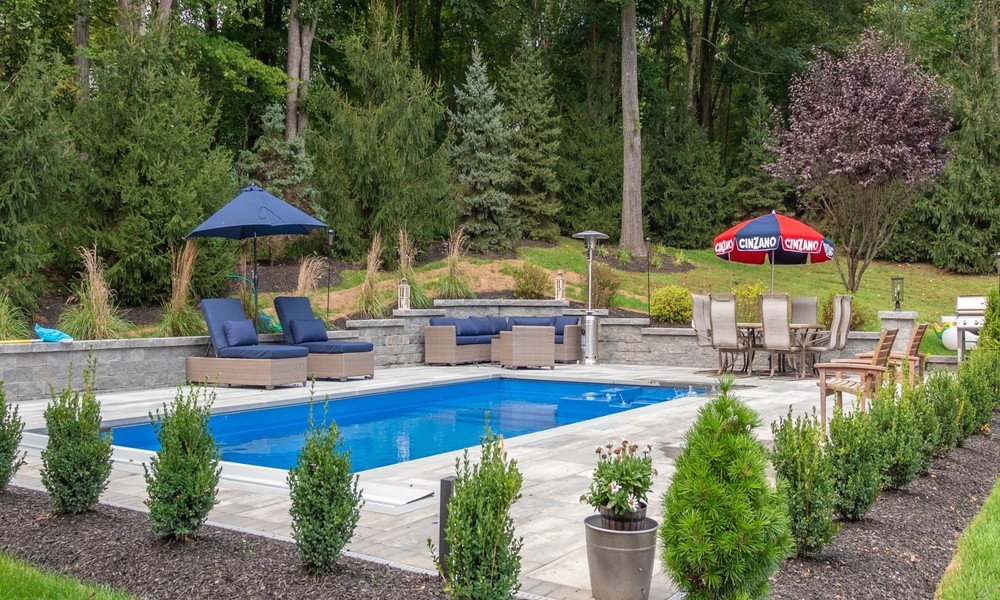
When homeowners in Austin decide to install or upgrade a swimming pool, most of the attention goes to the visible features-tile finishes, decking, lighting, and landscaping. But behind the scenes, the electrical system is what actually keeps the pool running safely and efficiently. Pool pumps, heaters, filtration systems, and automation controls all depend on properly designed electrical infrastructure. When this part is done incorrectly, it can lead to nuisance breaker trips, equipment failure, or even serious electrical hazards.
That’s why understanding dedicated circuits, voltage requirements, breaker sizing, and when subpanels are needed is essential for any pool owner. It also explains why many homeowners ultimately rely on a licensed electrician in Austin, TX to handle this specialized work instead of attempting it themselves.
Why Pool Equipment Requires Dedicated Circuits
Pool equipment is not like plugging in a household appliance. Most pool systems run for long hours, often under heavy load, and they require stable, uninterrupted power. This is why dedicated circuits are not optional-they are required for both performance and safety.
A dedicated circuit means the pool pump or heater has its own electrical line running directly from the panel, without sharing power with other devices. This prevents overloads and reduces the risk of tripped breakers during peak operation.
Pool Pumps
Traditional single-speed pumps and modern variable-speed pumps both require dedicated circuits. Variable-speed motors, in particular, are more energy-efficient but still need properly sized wiring and breakers to handle startup loads and continuous operation.
A licensed electrician in Austin, TX will evaluate:
- Motor horsepower (HP)
- Voltage rating (115V vs 230V)
- Manufacturer specifications
- Distance from electrical panel
This ensures the pump runs efficiently without voltage drop issues.
Pool Heaters
Electric pool heaters are some of the highest-demand devices in a residential setting. They can draw significant amperage, often requiring double-pole breakers and heavy-gauge wiring. Without a dedicated circuit, heaters can overload shared systems quickly.
Gas heaters still require electrical connections for ignition systems and controls, which must also be properly isolated on their own circuits.
Voltage Requirements: 120V vs 240V Pool Equipment
One of the most common mistakes homeowners make is misunderstanding voltage requirements.
Most modern pool equipment operates on 240 volts, not standard 120-volt household outlets. Using the wrong voltage can damage equipment or cause it not to function at all.
Common Voltage Setups
- Pool pumps: Typically 240V for efficiency and reduced amperage draw
- Heaters: Usually 240V or higher depending on size
- Lighting systems: Often 12V low-voltage systems powered by a transformer
- Automation systems: Mixed low-voltage control wiring
A trained licensed electrician in Austin, TX ensures that each component is matched to the correct voltage source and that transformers or converters are installed where necessary.
Incorrect voltage not only reduces efficiency but can also void manufacturer warranties.
Breaker Sizing and Electrical Load Calculations
Breaker sizing is one of the most important parts of pool electrical planning. A breaker that is too small will trip constantly. A breaker that is too large may fail to protect equipment during overload conditions.
Electricians calculate breaker size based on:
- Continuous load rating (usually 125% of motor load)
- Starting amperage (inrush current)
- Wire gauge and insulation rating
- Total distance from panel to equipment pad
For example, a 2 HP pool pump might require a 20-amp or 30-amp breaker depending on the manufacturer’s specifications and voltage configuration.
A licensed electrician in Austin, TX does not guess at these values. Instead, they follow NEC (National Electrical Code) standards and local Austin electrical code requirements to ensure safe installation.
Why Distance From the Main Panel Matters
In many Austin homes, the pool equipment is located far from the main electrical panel-sometimes 50 to 150 feet away in the backyard. That distance matters more than most homeowners realize.
Long wire runs create voltage drop, which reduces efficiency and can cause motors to overheat or fail prematurely.
To solve this, electricians may:
- Increase wire gauge (thicker conductors)
- Install a subpanel closer to the pool equipment
- Reconfigure load distribution in the main panel
A subpanel is especially useful when multiple pool components are installed, such as pumps, heaters, lighting, and automation systems. Instead of running all circuits back to the main panel, a subpanel centralizes control and improves efficiency.
A licensed electricianin Austin, TX will determine whether a subpanel is required based on load calculations and layout design.
Variable-Speed Pumps and Energy Efficiency
Austin homeowners are increasingly upgrading to variable-speed pool pumps because they are significantly more energy-efficient than traditional single-speed pumps.
These pumps allow the motor speed to be adjusted based on demand:
- Low speed for filtration
- Medium speed for heating circulation
- High speed for cleaning cycles or vacuuming
However, variable-speed pumps require precise wiring and programming. They often include digital control boards that must be properly grounded and protected from electrical interference.
Incorrect installation can lead to:
- Fault code errors
- Motor burnout
- Inefficient energy usage (defeating the purpose of the upgrade)
A licensed electrician in Austin, TX ensures these systems are installed according to manufacturer specifications and optimized for long-term performance.
Filtration Systems and Automation Wiring
Modern pools often include automated filtration systems, smart controllers, and remote monitoring apps. These systems combine high-voltage and low-voltage wiring, which must be carefully separated to avoid interference.
Key components include:
- Control panels
- Timers and relays
- Saltwater chlorinators
- Flow sensors
- Smart home integration modules
All of these require clean, code-compliant wiring layouts. Poor installation can result in system conflicts or unreliable operation.
A professional licensed electrician in Austin, Texas will also ensure that outdoor enclosures are weatherproof and that conduit systems are sealed properly against moisture, heat, and pests-an important consideration in the Texas climate.
DIY Installation: Is It Safe for Homeowners?
Many homeowners in Austin are handy and comfortable with DIY projects. Installing shelves, replacing fixtures, or even running low-voltage landscape lighting might be manageable for experienced DIYers. But pool electrical systems are in a completely different category.
Here’s the reality: pool electrical work is one of the most heavily regulated types of residential electrical installation.
Risks of DIY Pool Electrical Work
- Incorrect grounding leading to electrocution hazards
- Improper breaker sizing causing equipment failure
- Code violations resulting in failed inspections
- Insurance issues in case of electrical-related accidents
- Water + electricity safety risks, which are inherently dangerous
Even a small wiring mistake near a pool can have serious consequences because water dramatically increases electrical conductivity risk.
For this reason, most experts strongly recommend leaving this work to a licensed electrician in Austin, Texas rather than attempting it as a DIY project.
Why Hiring a Licensed Electrician Matters in Austin, Texas
Austin, Texas has strict building codes and permitting requirements for pool installations. Electrical work typically requires inspections at multiple stages-rough-in, final wiring, and system commissioning.
A qualified electrician will:
- Pull proper permits
- Follow NEC and local Austin amendments
- Ensure proper grounding and bonding for pool safety
- Coordinate with pool builders and contractors
- Pass city inspections without delays
A licensed electrician in Austin, Texas also brings experience working specifically in Central Texas conditions, where heat, soil conditions, and outdoor exposure all affect electrical system design.
This expertise helps prevent long-term maintenance issues and ensures that the pool system runs efficiently year after year.
Long-Term Efficiency and Cost Savings
While hiring a licensed electrician may seem like an added upfront cost, it often saves money over time. Properly installed pool electrical systems:
- Reduce energy consumption
- Extend equipment lifespan
- Prevent costly repairs
- Avoid inspection failures and rebuilds
In contrast, improperly installed systems often lead to repeated service calls, damaged equipment, or full rewiring.
A properly installed system by a licensed electrician in Austin, TX is essentially an investment in reliability and safety.
Final Thoughts
Pool electrical systems are complex, high-load installations that require careful planning and precise execution. From dedicated circuits and breaker sizing to voltage matching and subpanel installation, every detail matters.
Austin homeowners who want a safe, efficient, and long-lasting pool system should treat electrical planning as seriously as the pool design itself. While DIY enthusiasm is understandable, this is one area where professional expertise is not just recommended-it’s essential.
Working with a qualified licensed electrician in Austin, Texas ensures that your pool equipment operates efficiently, passes inspection, and remains safe for years of enjoyment under the Texas sun.
