

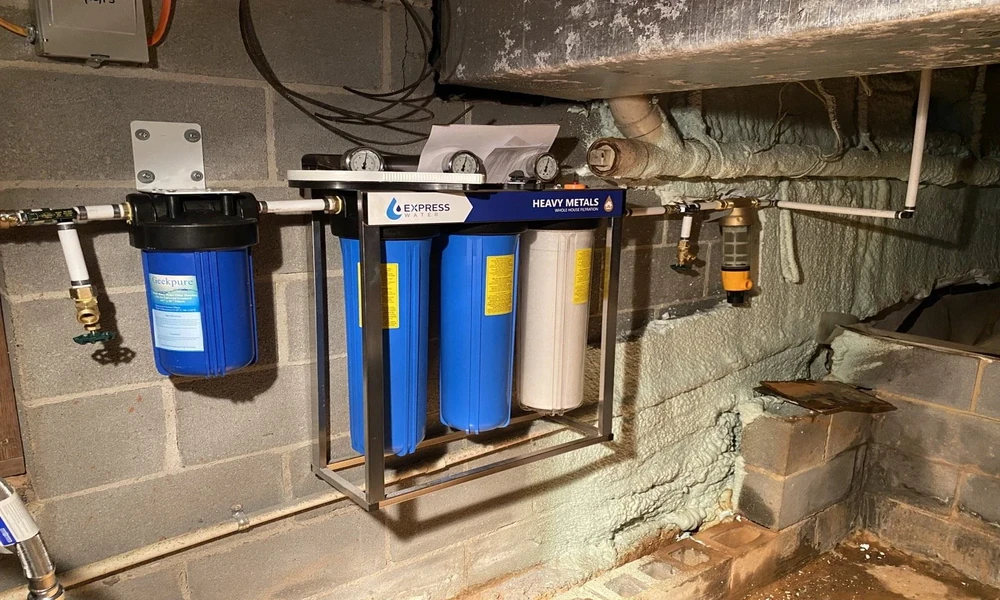
Most homeowners think of water filtration as a plumbing project. Water goes in, cleaner water comes out, and that is the end of the story. In practice, many systems depend on electricity to do their job. Control heads, UV lamps, pumps, and monitoring displays all need steady, safe power, and a system that is plumbed perfectly can still disappoint if the electrical side was an afterthought.
That is why it pays to bring in a Wallingford electrician or another qualified electrical professional while you are planning full house water filtration in Lavon, not after the equipment is already sitting in your garage. Think of it as a power plan that sits alongside your plumbing plan. Here is what it should cover.
The Parts That Plug In
Not every filter draws power. A basic sediment or carbon tank is a passive device, so water simply flows through it. But many popular add-ons are electrical:
- Water softener control heads run timers and regeneration cycles that decide when the system flushes and refreshes itself.
- UV treatment units use a lamp that must stay powered to work as intended.
- Booster or well pumps keep pressure steady and may pull a significant load when they start up.
- Monitoring panels and sensors track flow, pressure, or filter life on some systems.
Knowing which components in your setup need power tells you how many outlets, what kind of circuit, and how much capacity to plan for.
Picking the Spot Starts With the Outlet
Installers usually look for a location near the main water line, with enough floor space and a drain nearby. Garages, utility rooms, and side closets are common choices. The catch is that the best plumbing location is not always the best electrical location.
If the nearest outlet is across the room, a stretched extension cord is not a solution. Cords are not meant to serve as permanent wiring for equipment that runs around the clock. An electrician can add a properly placed outlet, sometimes on a dedicated circuit, so the equipment gets reliable power without overloading something else, like the freezer or a workshop tool.
Water and Electricity Share a Room
This is the part worth taking seriously. Filtration equipment sits in damp or splash prone areas by nature, and water and electricity are a risky pair. Ground fault circuit interrupter protection, usually shortened to GFCI, is designed to cut power quickly when it detects a dangerous leak of current. Electrical codes commonly call for GFCI protection in garages, outdoor spaces, and other locations near water, though the exact rules depend on where you live and which code edition your area follows.
For a deeper look at how household electrical protection works and what to watch for, the Electrical Safety Foundation International offers safety resources for homeowners. Have your electrician confirm what applies to your utility area, and test your GFCI outlets regularly using the built in test button.
Storms, Outages, and Surges
North Texas weather can be dramatic. Summer thunderstorms bring lightning, and an outage or voltage spike can affect sensitive electronics. For a filtration system, the effects can be subtle:
- A softener control head may lose its settings and skip or mistime a regeneration.
- A UV lamp stops working during an outage, and you may not notice.
- A surge can damage the circuit board in a control head, which is a costly part to replace.
Whole home surge protection at the panel, combined with point of use surge protectors for sensitive equipment, helps shield everything from voltage spikes. If your system includes a UV unit on a drinking water supply, consider an alert or indicator so you know right away if the lamp is off.
Wells and Bigger Loads
Properties on private wells face a larger electrical demand. A well pump is a heavy motor, and adding a booster pump, a softener, and a UV unit to the same panel can push capacity. Older panels with limited open breaker spaces may need an upgrade or a subpanel before new equipment goes in.
An electrician can calculate the combined load, check wire sizes, and confirm that the pump circuit is properly protected. It is far easier to sort this out before installation day than to discover a tripping breaker after the plumbers have left.
A Simple Planning Timeline
Coordination makes everything smoother. Here is a sequence that works well for most homes:
- Test the water. This tells you which treatment stages you need, and therefore which ones need power.
- Choose the equipment and location. Get the model specifications, including voltage and amperage requirements.
- Walk the site with an electrician. Identify outlet locations, circuit capacity, and GFCI needs.
- Complete electrical prep first. New outlets or circuits should be finished before the system arrives.
- Install and test the system. Confirm that control heads, lamps, and pumps start and run correctly.
- Label and document. Mark breakers and keep manuals together for future service.
Quick Questions Homeowners Ask
Does every whole house filter need electricity? No. Simple sediment and carbon filters do not. Softeners, UV units, and pumps do.
Can I just use an extension cord? It is not a good long term plan. Permanent equipment deserves a proper, code compliant outlet.
Will the new equipment raise my power bill? Typically only by a small amount, since control heads and lamps draw modest power compared with large appliances. Pumps use more, but they run intermittently.
Final Thoughts
A water filtration system is only as dependable as the power behind it. By thinking about outlets, circuit protection, surge defense, and panel capacity early, you protect the equipment, keep your household safe, and avoid delays on installation day. Treat the electrical plan as part of the project from the start, and your system will do what it was bought to do, quietly delivering cleaner water to every tap in the house.
