

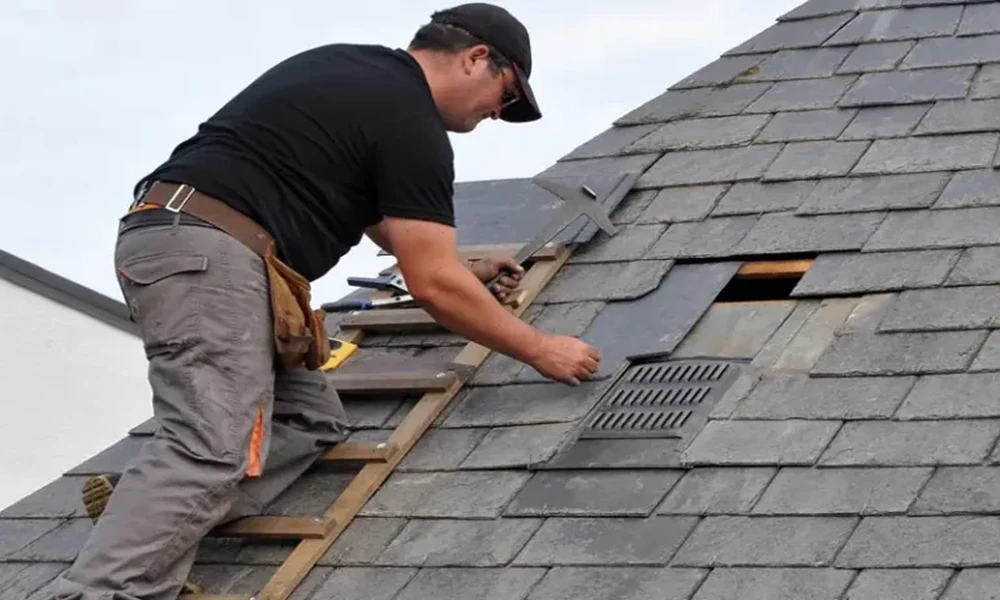
Florida roofs rarely deteriorate in a perfectly predictable way. Intense sunshine can age roofing materials while seasonal thunderstorms weaken fasteners, flashing, and protective layers. A roof may appear reasonably intact from the ground even when moisture has begun affecting the materials beneath its surface.
For Titusville homeowners, the important question is whether damage remains isolated or has spread across enough of the roofing system to make continuing repairs impractical. Roof replacement decisions should consider physical condition, past repair history, structural concerns, and the time available before severe weather arrives.
For Roof Inspection and Storm Damage Roof Repair, Titan Roofing of Florida evaluates residential and commercial roofing conditions throughout Titusville and Brevard County. Its Roof Replacement services address situations where deterioration extends beyond practical localized repairs. Homeowners considering roof replacement in Titusville can visit the website to request an inspection.
1. Widespread Granule Loss Leaves Shingles Exposed
Granule loss: Asphalt shingles contain protective mineral granules that shield the underlying asphalt from sunlight and weathering. As shingles deteriorate, these particles gradually loosen, exposing more of the material underneath.
What it means: Some loose granules are normal, particularly on newly installed shingles. However, extensive bald patches across multiple roof slopes indicate reduced surface protection. Florida’s strong ultraviolet exposure can accelerate further deterioration once the asphalt becomes exposed.
When to inspect: Schedule an assessment when numerous shingles show visible bald spots, exposed asphalt, or deterioration across several roof sections. Localized wear may be repairable, while extensive material degradation can make individual shingle replacement less effective.
2. Curling and Lifted Shingles Reveal Attachment Problems
Shingle curling: Edges that turn upward or corners that lose contact with neighboring shingles may indicate material aging, heat exposure, or installation and ventilation problems.
What it means: Curled shingles no longer provide the intended overlapping surface. Strong winds can catch exposed edges, increasing the likelihood of tearing or lifting during thunderstorms.
When to inspect: Have a roofer assess widespread curling, loose tabs, missing shingles, or recurring wind damage. A few affected shingles may be repairable, but extensive attachment failure often calls for a broader evaluation.
3. Recurring Leaks Suggest More Than One Failed Detail
Recurring water intrusion: A recurring leak is moisture that returns after previous repairs or appears in multiple interior locations.
What it means: A single leak around a plumbing vent or flashing joint can sometimes be corrected without disturbing much of the roof. However, repeated moisture intrusion may indicate deterioration of the underlayment, multiple flashing defects, or damage extending beyond the visible leak.
When to inspect: Request a detailed examination when stains reappear after repairs, ceiling discoloration spreads, or several rooms show evidence of moisture. The assessment should identify the source and extent of damage before recommending extensive work.
4. Underlayment Failure Weakens the Backup Barrier
Underlayment deterioration: Underlayment is the protective layer beneath the primary roof covering. It provides additional resistance against water entering through small openings, failed joints, or storm damaged roofing materials.
What it means: Florida’s heavy rain and wind driven moisture place considerable demands on this secondary barrier. Underlayment may become brittle, torn, displaced, or otherwise ineffective over time.
When to inspect: Consider a more extensive roof evaluation when leaks occur despite largely intact surface materials, especially on older tile systems. Investigation may involve controlled access beneath the covering.
5. Soft Decking Points to Concealed Moisture Damage
Deck deterioration: Roof decking is the structural surface that supports the roofing assembly. Prolonged moisture exposure can cause wood sheathing to swell, soften, decay, or lose its ability to hold fasteners.
What it means: Sagging rooflines, soft areas noticed during professional assessment, and damp attic sheathing warrant attention. Compromised decking can affect both water resistance and the connection between roof covering and structure during high winds.
When to inspect: Arrange prompt professional evaluation if sagging, persistent attic dampness, or suspected rot is visible. Never walk on a potentially weakened roof. A roofer may need to open selected areas to establish the actual extent of damage.
6. Storm Damage Extends Across Several Roof Slopes
Distributed storm damage: Wind uplift, airborne debris, and hail can harm roofing components across different elevations and slopes rather than at a single isolated location.
What it means: Missing shingles, fractured tiles, bent metal edges, punctures, and displaced flashing create multiple entry points for rain. Damage to roof perimeters is particularly significant because wind forces can begin lifting adjacent materials at exposed edges.
When to inspect: After severe weather, look from the ground for displaced materials and document safe observations with photographs. Seek professional assessment when damage spans multiple areas. Temporary protection may be needed before a permanent decision is made.
7. Roof Age Conflicts With Its Actual Condition
Roof age: Calendar age gives context, but it cannot independently establish whether a roof has reached the end of its useful service. Material, prior maintenance, workmanship, coastal exposure, and documented damage all affect condition.
What it means: Florida’s roof age insurance guidance states that insurers cannot decline issuance or renewal solely because a roof is under 15 years old. For roofs 15 years or older, an authorized inspection must be allowed before replacement is required solely on age grounds, and specific protections apply where the inspection finds at least five years of useful life. Other underwriting considerations may still apply.
When to inspect: Request a condition report when records are incomplete, an insurer asks for documentation, or visible wear conflicts with the roof’s apparent age. An inspection is evidence for a decision, not a guarantee of coverage or renewal.
8. Hurricane Season Leaves Too Little Planning Time
Seasonal exposure: The Atlantic hurricane season runs from June 1 through November 30. Florida homeowners benefit from checking roof condition before approaching storms make inspections, materials, and scheduling more difficult.
What it means: The Florida Division of Emergency Management hurricane preparation guidance emphasizes preparing ahead of the season. A roof with repeated leaks or widespread weakened attachment should not be left unassessed simply because the forecast is quiet. Coastal exposure and sudden summer storms remain relevant in Brevard County.
When to inspect: Plan evaluation before storm season where possible, or promptly after significant wind damage. Coordinate documentation, contractor availability, and any insurance questions early. Never assume a policy will fund replacement without reviewing its terms and claim decision.
Conclusion
Replacement becomes a serious consideration when damage is widespread, repeated repairs no longer control leaks, waterproofing fails beneath intact coverings, or structural support has deteriorated. Age and insurance requests should prompt documentation rather than automatic conclusions. For Titusville homes, a thorough roof inspection can separate defects suitable for focused repairs from systemwide problems that justify planning a new roof before further coastal weather arrives.
