

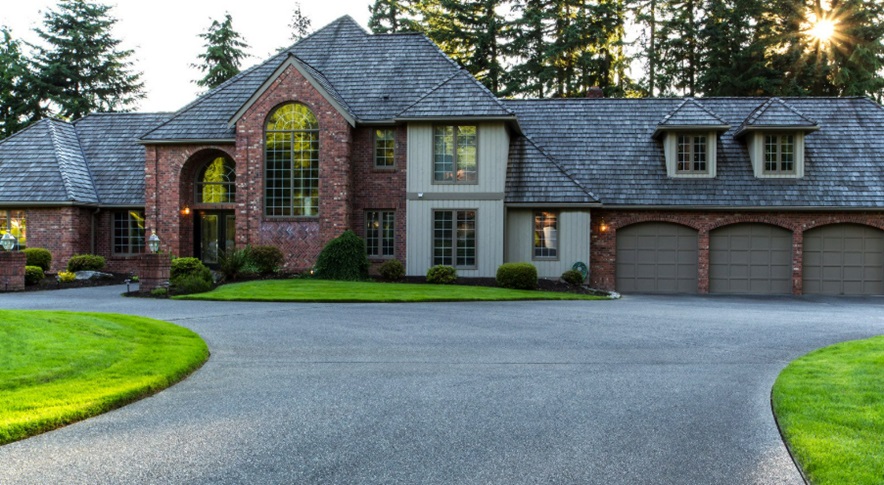
When choosing the ideal material for a driveway in Cumming, homeowners often face the challenge of deciding between asphalt and concrete. Both materials come with specific advantages and disadvantages, compelling you to carefully weigh their characteristics before making a decision. Here, we compare asphalt and concrete based on durability, costs, maintenance, and overall appeal to help you select the best option for your home.
Durability and Longevity
Both asphalt and concrete are durable options, but their longevity depends on environmental factors and maintenance. Asphalt performs exceptionally well in colder climates thanks to its ability to expand and contract without cracking as easily. However, it tends to soften under intense summer heat, which may lead to damage over time. Concrete, on the other hand, withstands high temperatures effectively but is prone to cracks or surface flaking in freezing and thawing conditions.
Concrete usually lasts longer than asphalt, boasting a lifespan of over 30 years with proper care. Asphalt generally lasts about 20 years but requires consistent upkeep to reach that duration. When considering materials for your driveway installation in Cumming, take into account the local climate and long-term durability of each option.
Maintenance Needs
Maintenance is a critical factor in deciding between asphalt and concrete. Asphalt requires sealing to maintain its durability and appearance. This process should generally be done every 2–3 years to prevent cracks and potholes from forming.
Concrete, in contrast, needs less frequent maintenance. Occasional sealing protects it from stains and weathering, but it’s not required as frequently as it is for asphalt. However, concrete can discolor or stain more easily from oil and other substances, requiring prompt cleaning to maintain its appearance. For homeowners looking for a low-maintenance solution in Cumming, concrete may be the better choice.
Aesthetic Appeal
The appearance of a driveway can significantly enhance or detract from a home’s curb appeal. Asphalt offers a clean, simple look with its smooth black surface, which works well for traditional and modern homes alike. However, it doesn’t allow much room for design creativity.
Concrete stands out for its design flexibility. It can be customized with colors, patterns, and textures to achieve a unique look that complements your home’s style. If you’re interested in creating a visually striking driveway, concrete’s versatility makes it an ideal choice. Additionally, for a deeper understanding of how a well-designed driveway can increase your property value, refer to this article.
Environmental Considerations
For environmentally conscious homeowners, sustainability is an important factor. Asphalt can be recycled, which helps mitigate its impact on natural resources. However, its petroleum base raises concerns about environmental harm during production and use.
Concrete, while often seen as a greener option, has its own environmental impacts due to cement production, which emits significant amounts of carbon dioxide. The upside is that concrete can also be recycled at the end of its lifecycle. Evaluating the environmental pros and cons of each material can help you make a more sustainable choice.
Conclusion
Selecting the right material for your driveway ultimately depends on your priorities, budget, and climate. Asphalt is a great choice for cost-conscious homeowners seeking a material that handles colder weather effectively. However, frequent maintenance may be necessary to keep it in good condition. Concrete, while more expensive upfront, offers greater durability, design flexibility, and long-term value.
If you need professional help with your driveway installation in Cumming, exploring expert landscaping options can guide you toward a solution that blends functionality and aesthetics. By assessing the strengths and weaknesses of each material, you can confidently choose a driveway that meets your needs while adding lasting value to your property.
