

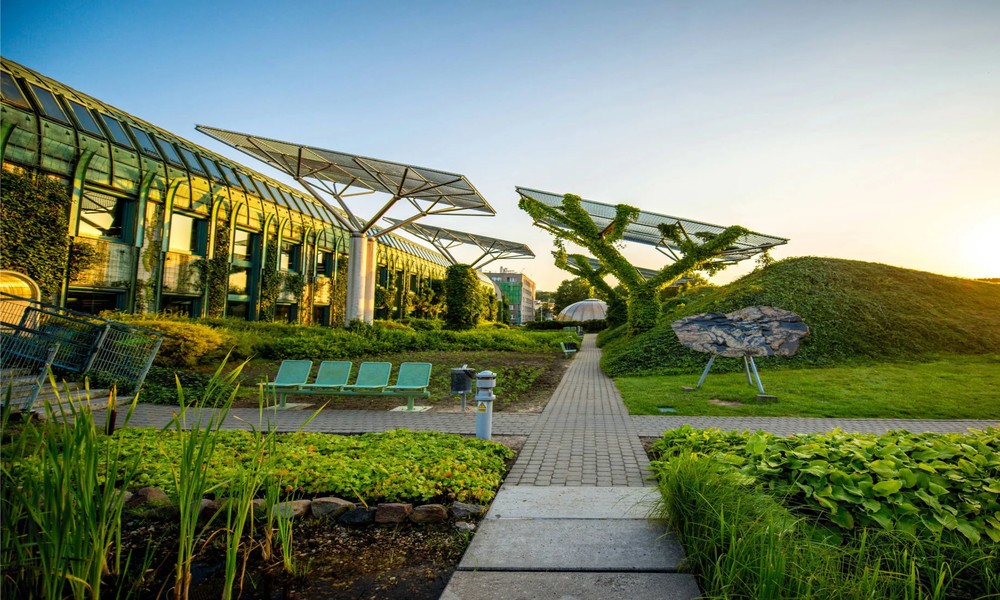
Outdoor living spaces are now very popular. Many homes include large patios and open garden areas. These spaces feel calm and visually appealing. They support social gatherings and quiet daily relaxation. But hidden systems support this outdoor comfort in subtle ways. Energy and water lines extend far beyond indoor walls. These systems operate quietly beneath surfaces and behind structures. They create unseen environmental pressure over long periods. Now attention shifts toward long term environmental impact and sustainability.
Expanding Utility Demand in Outdoor Spaces
Outdoor areas require a steady and reliable supply of energy. Lighting systems operate for long hours during evenings and events. Heating units support outdoor use during cooler weather conditions. The outdoor kitchen appliances also require stable and continuous electricity flow. These systems increase total household energy demand significantly over time. Water lines supply sinks and cleaning areas placed outside. Pumps help maintain water pressure across large property zones. So, utility networks must expand for smooth and efficient function. This expansion leads to higher resource use across residential environments.
Material Use and Embedded Carbon Costs
Outdoor construction depends heavily on strong and durable materials. Stone and concrete require energy intensive processes during production stages. Metal fixtures involve mining and refining activities that consume resources. Wood often receives chemical treatments to improve strength and lifespan. These materials carry carbon costs even before installation begins. Transport also adds emissions during delivery from factories to homes. But modern design trends still prefer solid and heavy materials for durability. This increases the hidden carbon footprint in each project significantly. Every added structure raises the overall environmental burden over time.
Energy Use and Climate Control Systems
Outdoor comfort often depends on artificial climate control systems. Heaters warm seating areas during cool nights and seasonal changes. Fans help reduce heat during warmer days in open environments. Misting systems also support cooling by lowering surrounding temperatures. Lighting systems operate across wide outdoor spaces every evening. These combined systems consume large amounts of electricity daily. Renewable energy use remains limited in many residential outdoor designs. But comfort expectations drive constant and increasing energy consumption patterns.
Lifecycle Impact
Outdoor systems generate waste throughout their entire lifecycle stages. Packaging waste appears during delivery and installation of materials and equipment. Replacement parts add to waste streams over time as systems wear out. Weather exposure reduces the lifespan of many outdoor components quickly. Maintenance activities produce chemical waste from cleaning and treatment products. Now waste management systems must handle more outdoor related materials. Recycling remains difficult for many composite and treated materials used outdoors. This creates long term challenges for proper disposal and environmental safety. Waste issues continue from installation through final disposal stages.
Conclusion
Outdoor luxury improves comfort and supports modern lifestyle choices. However, these systems carry hidden environmental costs that often remain unnoticed. Utility expansion increases energy and water demand across households steadily. Material choices add to embedded carbon emissions in construction processes. Maintenance routines create ongoing challenges for resource use and waste control. Sustainable design choices can reduce these negative environmental effects. Careful planning helps balance comfort with responsible resource management.
