

Planning and Assessing Your Outdoor Living Space
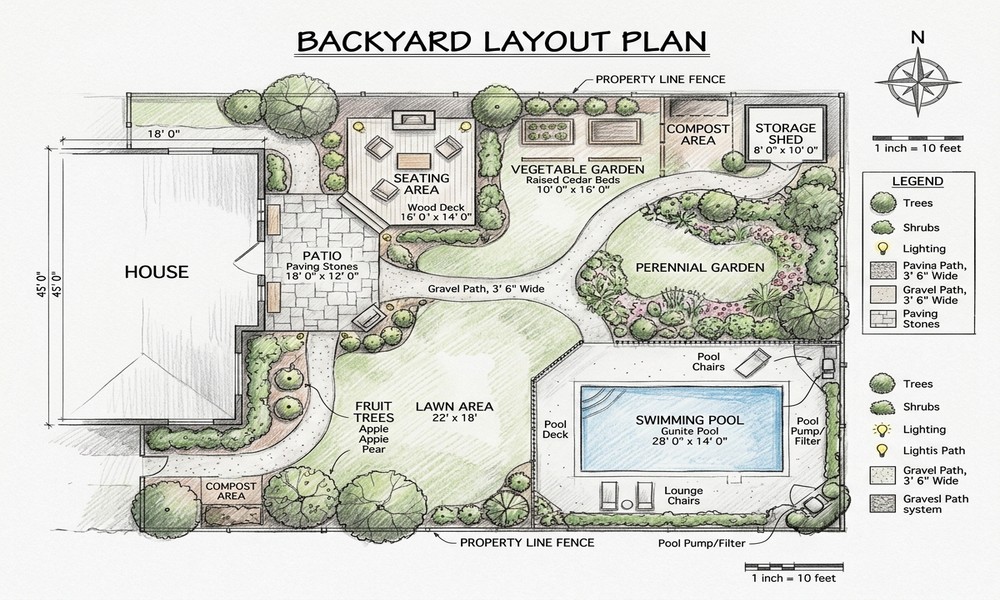
Before any shovel hits the dirt or a single piece of furniture is chosen, the foundation of a successful outdoor living area lies in meticulous planning and a thorough assessment of your existing yard. We begin by understanding the unique characteristics of your property. This involves evaluating sun patterns throughout the day and across seasons, identifying areas prone to excessive shade or sun, and noting how wind currents affect different parts of your space. Equally crucial is assessing your yard’s drainage. Proper water runoff is vital to prevent issues like soggy lawns, damaged foundations, or compromised hardscaping, ensuring the longevity and usability of your outdoor investment.
Beyond natural elements, understanding the regulatory landscape is paramount. We always advise clients to investigate local building codes and homeowner association rules early in the process. These regulations can dictate everything from the height of structures and fencing to the placement of impervious surfaces. Ignoring these guidelines can lead to costly rework or fines. Defining your property lines accurately is also essential, especially when planning structures or extensive landscaping near boundaries. Furthermore, consider the soil stability in your chosen areas, as this will influence the type of foundation required for patios, decks, or larger structures. Finally, think about house access – how seamlessly will people move from your indoor spaces to your new outdoor zones? Easy, intuitive access enhances the feeling of an extended living area. For those envisioning a complete transformation, exploring comprehensive services that offer expert guidance from concept to completion can be incredibly beneficial. Companies specializing in complete outdoor living solutions can provide invaluable expertise in navigating these initial planning stages, ensuring every detail is considered for a cohesive and functional design.
Designing Functional Zones for Maximum Utility
Once the foundational assessment is complete, the next step is to design functional zones that cater to your lifestyle. The goal is to create distinct areas within your outdoor space, much like rooms in a house, each serving a specific purpose while flowing harmoniously into the others.
We typically recommend considering the following essential outdoor zones:
- Cooking Zone: This could range from a simple grill station to a fully equipped outdoor kitchen.
- Dining Zone: An area dedicated to al fresco meals, often adjacent to the cooking zone for convenience.
- Lounging Zone: A comfortable space for relaxation, reading, or casual conversation, often featuring plush seating.
- Entertaining Zone: A versatile area for larger gatherings, potentially incorporating a fire pit or a bar.
For outdoor kitchens, applying the “work triangle” principle, commonly used in indoor kitchen design, can significantly improve efficiency. This means placing the primary cooking appliance (grill), food preparation area, and refrigeration within an easy-to-navigate triangle. Ideally, the total perimeter of this triangle should be between 12 and 25 feet, with no single leg shorter than 4 feet or longer than 9 feet.
Thoughtful circulation paths are crucial to connect these zones without creating bottlenecks. Ensure pathways are wide enough for comfortable movement, even when guests are present. Consider sightlines from both inside your home and within the outdoor space. Do you want to see the kids playing in the lounging area from the dining table? Or perhaps enjoy a serene garden view from your cooking station? Finally, embrace multi-functional spaces. A low retaining wall can double as extra seating, or a large ottoman can serve as both a footrest and a coffee table. This approach maximizes utility, especially in smaller yards.
Durable Materials and Weather-Resistant Structures
The longevity and aesthetic appeal of your outdoor living space heavily depend on the materials you choose for its foundation and structures. We prioritize durability and weather resistance to ensure your investment stands the test of time and the elements.
For flooring, popular options include natural stone like flagstone, which offers timeless beauty and excellent durability. Concrete, whether poured, stamped, or stained, provides a versatile and cost-effective solution, typically ranging from $5-15 per square foot. Pavers, available in various materials and designs, offer flexibility and easier repairs, usually costing $10-25 per square foot. Natural stone, while offering premium aesthetics, can be more expensive at $15-40 per square foot.
When it comes to decks, traditional wood remains a popular choice, but modern composite decking has gained significant traction. Composite materials, often made from a blend of wood fibers and recycled plastics, offer exceptional resistance to fading, staining, and splintering. Many composite products come with impressive 25-year warranties, significantly reducing maintenance compared to wood.
For structures like pergolas, gazebos, or patio covers, materials like galvanized steel and aluminum provide robust, low-maintenance frameworks. These metals are naturally resistant to rust and pests, offering long-term structural integrity.
Material Type Durability Maintenance Level Cost Range (per sq ft) Key Benefits Wood Moderate to High High $15 – $35 Natural aesthetic, customizable, good ROI Composite High Low $20 – $45 Low maintenance, long warranties, eco-friendly Natural Stone Very High Moderate $15 – $40 Premium look, extremely durable, unique patterns Concrete High Low $5 – $15 Versatile, cost-effective, durable Choosing Furniture for Long-Term Outdoor Living
Selecting the right outdoor furniture is about more than just aesthetics; it’s about investing in comfort and resilience. We recommend focusing on materials and construction that can withstand the rigors of outdoor life while providing lasting enjoyment.
For fabrics, performance materials like acrylic and polyester are excellent choices. These are engineered for UV resistance, meaning they won’t fade quickly under intense sunlight, and they are often treated to resist mildew and moisture. Look for cushions that are well-constructed with quick-drying foam or polyester stuffing to prevent water retention.
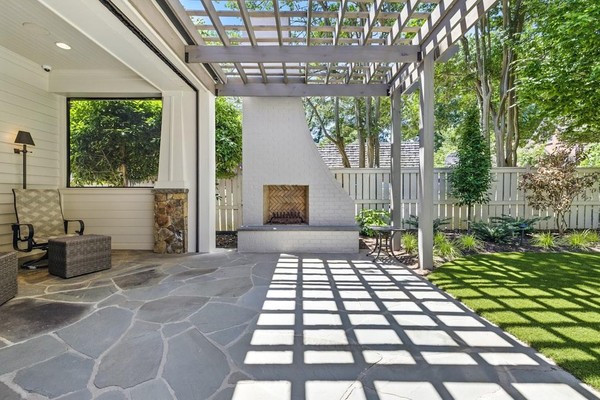
Frame materials also play a critical role. Teak wood is renowned for its natural oils, which make it exceptionally durable and resistant to rot, pests, and weathering. While it may silver over time, its structural integrity remains. Wrought iron offers classic elegance and incredible strength, often requiring occasional rust treatment. Aluminum is a lightweight, rust-proof option that is easy to move and maintain.
When considering furniture, think about comfort engineering – how the pieces are designed to support the body. Ergonomics are just as important outdoors as indoors. Finally, even with the most weather-resistant furniture, seasonal storage or high-quality fitted covers will extend its lifespan significantly, protecting it from extreme conditions, especially during winter months.
Enhancing Comfort with Climate Control and Lighting
To truly make an outdoor living space an extension of your home, it must be comfortable in various weather conditions and usable after sunset. We integrate smart climate control and lighting solutions to achieve year-round usability.
Shade structures are fundamental for daytime comfort. Pergolas offer partial shade and can be enhanced with retractable canopies or climbing vines. Cantilever umbrellas provide flexible shade that can be adjusted as the sun moves, ideal for dining or lounging areas. For cooler evenings or seasons, fire pits become a focal point, offering warmth and ambiance. A gas fire pit can cost $1-2 per hour to operate, making it an efficient choice for extending outdoor enjoyment.
Beyond warmth, managing temperature can involve cooling solutions. Ceiling fans installed under covered patios or pergolas can make a space feel 5-10 degrees cooler by circulating air. For more targeted cooling or heating, especially in enclosed or semi-enclosed outdoor rooms, systems like reliable outdoor mini splits can provide precise temperature control, ensuring comfort even when outdoor temperatures are less than ideal. These systems allow you to heat or cool specific zones efficiently, transforming a seasonal space into a year-round retreat.
Lighting is equally transformative. Solar-powered lighting offers an eco-friendly and cost-effective way to illuminate pathways, garden beds, and accent features. Many solar pendants can provide warm light for up to eight hours on a full charge. For task lighting in cooking or dining areas, LED fixtures offer bright, energy-efficient illumination. Ambient glow, achieved with string lights, lanterns, or strategically placed uplights, creates a welcoming and intimate atmosphere, extending the usability of your outdoor space well into the evening.
Integrating Technology into Outdoor Living Areas
Modern outdoor living embraces technology to enhance convenience, safety, and entertainment. We look for opportunities to seamlessly blend smart solutions into your backyard oasis.
Smart lighting systems, for instance, allow you to control brightness, color, and timing from your smartphone, creating different moods for various occasions. Automated shades or retractable awnings can be programmed to deploy based on sun exposure or time of day, offering instant relief from glare or heat.
Weather-protected outlets with Ground Fault Circuit Interrupter (GFCI) protection are non-negotiable for safety, providing power for everything from blenders to outdoor heaters. Smart irrigation systems optimize water usage by adjusting schedules based on local weather forecasts and soil moisture levels, saving water and ensuring your landscaping thrives. Integrated sound systems can discreetly deliver high-quality audio throughout your outdoor zones, perfect for entertaining or relaxing. Even elements like garage doors can be integrated into the outdoor living experience, especially if your garage doubles as a workshop or entertainment hub. Exploring options for expert garage door outdoor living can reveal how a simple garage opening can transform into a sheltered, accessible extension of your outdoor space, providing shade or an additional functional area for hobbies or gatherings. The National Institute of Standards and Technology has noted that smart home integration can significantly improve energy efficiency, a benefit that extends to our outdoor environments as well.
2025 Trends, Costs, and Maintenance
As we look towards 2025, outdoor living trends continue to evolve, emphasizing sustainability, multi-functionality, and a deeper connection with nature. We see a growing demand for spaces that are not only beautiful but also environmentally conscious and adaptable.
Sustainability is a key driver, with homeowners increasingly opting for recycled materials in decking and furniture. Native plants and drought-tolerant landscaping are becoming standard, reducing water consumption and supporting local ecosystems. Multi-functional spaces remain popular, allowing areas to seamlessly transition from a quiet reading nook to a vibrant entertainment hub.
Understanding the financial aspect is crucial. The cost to build an outdoor living space can vary dramatically based on scope, materials, and whether you opt for DIY or professional installation. A basic outdoor living space, including a concrete or paver patio, simple furniture, basic lighting, and a portable grill, might range from $3,000 to $10,000. Larger, more elaborate projects with extensive hardscaping, built-in kitchens, and advanced features can range from $15,000 to $50,000. A total backyard renovation, encompassing multiple zones and luxury amenities, might cost up to $65,000.
However, these investments often yield significant returns. A well-designed outdoor area can add 15-20% to your property’s value. Specific outdoor upgrades, such as fireplaces, pergolas, or water features, may see an impressive 80% return on investment. Major updates, including full outdoor kitchens, can achieve up to a 200% ROI, particularly in warm climates where outdoor living is a year-round lifestyle.
For those on a tighter budget, we often recommend a phased implementation approach. Start with one key zone, like a comfortable lounging area, and build upon it over time. DIY projects can also save significantly on labor costs.
Here are some budget-friendly upgrade tips:
- Repurpose and Refresh: Give old furniture a new lease on life with a fresh coat of paint or new cushions.
- Strategic Lighting: Use string lights and solar-powered lanterns for ambiance without high installation costs.
- Container Gardening: Add greenery and color with potted plants, which are flexible and affordable.
- DIY Pathways: Create simple garden paths with stepping stones or gravel.
- Portable Fire Pits: Opt for a portable fire pit instead of a built-in one for warmth and atmosphere on demand.
- Indoor-Outdoor Rugs: Define zones and add comfort with durable, fade-resistant outdoor rugs.
Privacy Solutions and Long-Term Maintenance
Ensuring privacy and implementing effective maintenance routines are key to long-term enjoyment of your outdoor living space. We believe a well-maintained and secluded area enhances relaxation and increases usability.
For privacy, several solutions can be integrated into your design. Fast-growing hedges or strategically planted trees offer natural screening that matures over time. Fabric screens, trellises with climbing plants, or decorative privacy panels can provide immediate seclusion. Low retaining walls can also define boundaries and offer a sense of enclosure without completely blocking views.
Long-term maintenance is crucial for protecting your investment and keeping your outdoor space pristine. This includes routine tasks such as:
- Gutter Cleaning: Regularly clear gutters on any covered structures to prevent water damage and ensure proper drainage.
- Power Washing: Periodically power wash patios, decks, and outdoor furniture to remove dirt, grime, and mildew.
- Sealing Wood: If you have wooden decks or structures, reseal them every few years to protect against moisture and UV damage.
- Winterization: Prepare your outdoor space for colder months by cleaning and storing cushions, covering furniture, draining water features, and protecting delicate plants.
- Pest Control: Implement strategies to manage pests. This can involve planting mosquito-repelling plants like citronella, marigolds, or lavender, or using citronella torches for gatherings. Regularly inspect for signs of pests and address them promptly.
By proactively addressing privacy and maintenance, you ensure your outdoor living space remains a comfortable, beautiful, and functional extension of your home for years to come.
Frequently Asked Questions about Outdoor Living
We often hear similar questions from homeowners embarking on their outdoor living journey. Here are some of the most common inquiries and our insights:
How much value does an outdoor living space add to a home?
A thoughtfully designed outdoor living space can significantly enhance your property’s value, typically adding 15-20%. Specific upgrades like outdoor kitchens can even yield returns on investment up to 200% in favorable climates, while features like pergolas or fireplaces often see an 80% ROI. It’s an investment that pays dividends in both lifestyle and property appreciation.
What permits are typically required for backyard structures?
Permit requirements vary widely by local municipality and homeowner association. Generally, permanent structures such as built-in outdoor kitchens, large decks, pergolas, or gazebos often require permits. Any project involving electrical, gas, or plumbing lines will almost certainly necessitate permits and inspections. We always advise contacting your local building department early in the planning process to understand specific regulations and avoid potential issues.
How do you protect outdoor furniture during extreme winter weather?
To protect outdoor furniture during extreme winter weather, a multi-step approach is best. First, thoroughly clean all furniture and cushions, ensuring they are completely dry to prevent mildew. Store cushions indoors in a dry, climate-controlled environment. For furniture frames, use high-quality, fitted weatherproof covers that are breathable to prevent moisture buildup. If possible, move smaller pieces into a garage or shed. For larger, immovable items, ensure covers are securely fastened to prevent wind damage. Regularly clear any snow accumulation from covers to reduce weight and moisture exposure.
Conclusion
Creating an outdoor living space is more than just a home improvement project; it’s an investment in your lifestyle and the long-term value of your property. By carefully planning, selecting durable materials, designing functional zones, and integrating climate control and smart technologies, you can transform your backyard into a year-round oasis. We’ve seen how thoughtful design, from privacy solutions to diligent maintenance, contributes to the enduring enjoyment and appreciation of these spaces. Embrace the opportunity to extend your home’s functionality into the fresh air, and you’ll discover a new dimension of comfort, relaxation, and entertainment right outside your door.
