

Recognizing the Need for System Upgrades in Glendale Residences
An efficient HVAC system is the silent guardian of your home’s comfort and air quality. However, like any complex machinery, these systems have a finite lifespan. As we approach April 2026, many homeowners are facing decisions about their aging units. Understanding when to repair and when to replace is crucial for maintaining a comfortable, energy-efficient home. For homeowners in the area, Glendale Luke AFB AC Experts can provide the necessary technical guidance to determine the best course of action. Most HVAC systems are designed to last between 10 to 20 years with consistent, proper maintenance. Beyond this period, their performance tends to decline significantly, leading to a cascade of issues that impact both your wallet and your well-being.
When an HVAC system begins to falter, it often signals its distress through various indicators. These can range from subtle changes in operation to outright breakdowns. Ignoring these signs can lead to more extensive damage, higher repair costs, and a substantial increase in your energy bills. Recognizing these red flags early allows us to make informed decisions, protecting our investment and ensuring continuous home comfort.
Identifying Critical Performance Red Flags
Several clear indicators suggest that your HVAC system might be nearing the end of its efficient life or requires significant attention. These red flags should prompt a professional assessment:
- Airflow Issues: If you notice weak airflow from your vents or uneven heating and cooling throughout your home, it could indicate problems with your blower motor, ductwork, or even a failing compressor.
- Moisture Buildup: Puddles or excessive condensation around your indoor unit or refrigerant lines are serious concerns. This could point to a refrigerant leak, a clogged condensate drain, or a failing evaporator coil.
- Foul Odors: Musty smells often signal mold or mildew growth within the ductwork or evaporator coil, impacting indoor air quality. Burning odors could indicate electrical issues or a malfunctioning motor.
- Short Cycling: When your HVAC system turns on and off frequently without completing a full heating or cooling cycle, it’s known as short cycling. This is inefficient, wastes energy, and puts undue stress on the system, potentially leading to premature failure.
- Excessive Noise: While all HVAC systems make some noise, unusual sounds like grinding, squealing, banging, or persistent humming can indicate worn-out parts, a failing motor, or other mechanical problems.
- Corrosion: Visible rust or corrosion on any part of your HVAC unit, especially around the coils or drain pan, can signal leaks or water damage, compromising the system’s integrity.
- Pilot Light Stability (for furnaces): If your furnace’s pilot light is frequently going out, or if it burns yellow instead of blue, it could indicate a dangerous carbon monoxide issue or a problem with the gas supply.
Determining the Optimal Time for Replacement
Deciding between repair and replacement is often a complex choice, but several factors can guide us. The age of your equipment is a primary consideration. Most systems, regardless of type, become less efficient after about 10 years. While some components might last up to 20 years, the overall system typically operates at a reduced capacity, consuming more energy to achieve the same level of comfort.
A common guideline for homeowners is the “repair-versus-replace” logic. If a single repair approaches 50% of the cost of a new unit, or if the unit’s age multiplied by the repair cost exceeds a certain threshold (often cited around $5,000), replacement typically offers a better long-term investment. For instance, if your unit is 12 years old and requires a $500 repair, the calculation might suggest continued repair. However, if that same unit needs a $3,000 repair, a new, more efficient system would likely be more economical in the long run.
Considering the April 2026 technology standards, modern HVAC systems boast significantly higher efficiency benchmarks. Upgrading to a new system means benefiting from advancements in energy conservation, often resulting in substantial savings on utility bills. It also ensures compatibility with newer, more environmentally friendly refrigerants like Puron Advance™, which have a lower global warming potential compared to older R-22 or R-410A refrigerants. Replacing an entire system, rather than just components, also ensures all parts are compatible and optimized for maximum performance and efficiency.
Home Improvement and HVAC: How Can Homeowners Increase Property Value?
Investing in your home’s HVAC system is more than just a matter of comfort; it’s a strategic home improvement that can significantly boost your property’s value and appeal. While kitchen and bathroom renovations often steal the spotlight, a modern, efficient HVAC system is a powerful asset. Real estate reports suggest that energy-efficient HVAC upgrades can increase a home’s value by up to 10%.
When it comes to property appraisal, energy efficiency is a key factor. Buyers in today’s market are increasingly conscious of utility costs and environmental impact. A home with an updated HVAC system signals lower operating expenses, reduced carbon footprint, and enhanced indoor comfort, making it a more attractive prospect. For comprehensive home improvement advice that considers all aspects of your property, including foundational elements and energy systems, exploring resources like Cedar Creek home improvement can provide valuable insights. Furthermore, modern HVAC systems often come with smart home integration capabilities, which are highly desirable features for contemporary buyers.
Integrating Home Improvement and HVAC During Major Renovations
Major home renovations, such as adding square footage or reconfiguring living spaces, present an ideal opportunity to integrate HVAC upgrades seamlessly. Extending your home’s footprint, for example, often requires adjustments to the existing HVAC system or the installation of supplemental units. Careful load calculations are essential to ensure the new system or expanded system is appropriately sized for the entire conditioned space. An undersized unit will struggle to maintain comfort, while an oversized one will short cycle, both leading to inefficiency and premature wear.
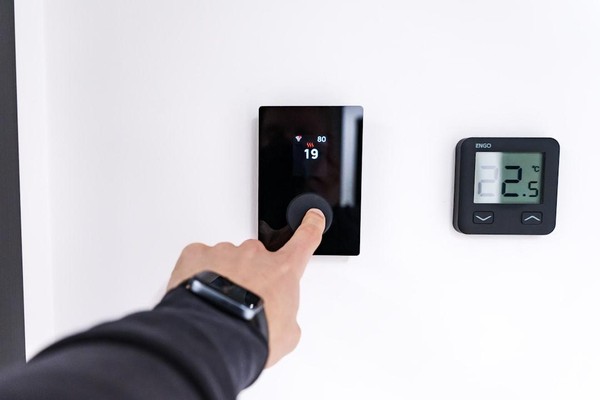
Ductwork extension is a common requirement when adding rooms. This process must be meticulously planned to maintain proper airflow and pressure balance throughout the system. Alternatively, for smaller additions or areas difficult to connect to existing ductwork, ductless mini-split systems offer an energy-efficient and flexible solution, providing independent temperature control for specific zones. Implementing zoning control, which allows different areas of the home to be heated or cooled independently, can also significantly enhance comfort and energy efficiency, particularly in larger or multi-level homes.
Financial Incentives and Energy Efficiency Standards
The financial benefits of upgrading your HVAC system extend beyond reduced utility bills. In April 2026, homeowners can still take advantage of various federal tax credits and rebates designed to encourage energy-efficient improvements. For an HVAC system to qualify as a home improvement for tax purposes and to increase property value, it typically needs to be a new installation, an upgrade to a high-efficiency model, or a replacement of an outdated system with an energy-efficient version.
To be eligible for federal residential energy credits, HVAC systems must meet specific efficiency standards. For example, many heat pumps require a Seasonal Energy Efficiency Ratio 2 (SEER2) rating of at least 16 and a Heating Seasonal Performance Factor (HSPF) of at least 8.5. These credits can often cover up to 30% of the installation cost, providing a substantial financial incentive. Homeowners typically need to fill out IRS Form 5695 with their tax return to claim these benefits. Beyond federal programs, many local utilities and state governments offer additional rebates and financing options for energy-efficient upgrades, further sweetening the deal. These incentives, combined with long-term utility savings, make upgrading to a modern, energy-efficient HVAC system a financially sound decision.
Selecting the Right Climate Control Technology for Your House
Choosing the appropriate HVAC system for your home is a critical decision that impacts comfort, energy efficiency, and long-term costs. With several types of systems available, understanding their differences and suitability for various home types and climates is essential.
System Type Description
Central Air Conditioning This is the most common type of system, comprising an outdoor unit (compressor and condenser coil) and an indoor unit (furnator or air handler with an evaporator coil). It uses ductwork to distribute cool air throughout the home. Best for homes with existing ductwork and homeowners seeking uniform cooling.
Ductless Mini-Splits These systems consist of an outdoor compressor/condenser and one or more indoor air-handling units, connected by a small conduit. They don’t require ductwork, making them ideal for home additions, converted garages, or zoned heating/cooling in specific rooms. They offer individual temperature control for each indoor unit. Heat Pumps Heat pumps are highly versatile systems that provide both heating and cooling. In warmer months, they act like an air conditioner, extracting heat from inside and releasing it outside. In colder months, they reverse the process, extracting heat from the outside air (even cold air) and transferring it indoors. They are very energy-efficient, especially in moderate climates. System sizing is paramount; an improperly sized system will struggle to maintain comfort and operate inefficiently. A professional assessment will consider your home’s square footage, insulation, window efficiency, and local climate to determine the precise capacity needed. Refrigerant standards are also evolving, with newer, more environmentally friendly options like Puron Advance becoming increasingly prevalent. These refrigerants not only reduce environmental impact but also often contribute to enhanced system efficiency.
The Long-Term Benefits of Modern Home Improvement and HVAC Upgrades
Upgrading to a modern HVAC system offers a wealth of long-term benefits that extend far beyond simply maintaining comfortable temperatures. These benefits contribute to a healthier home environment, reduced operational costs, and an improved quality of life. For homeowners seeking to maximize these advantages, leveraging Baber’s home improvement expertise can ensure that HVAC upgrades are integrated into a broader strategy for enhancing overall home functionality and value.
- Improved Indoor Air Quality: Modern HVAC systems often incorporate advanced filtration systems, including HEPA filters and UV lights, which effectively remove allergens, pollutants, dust, and even viruses from the air. This is particularly beneficial for individuals with allergies or respiratory sensitivities, leading to better overall home health.
- Enhanced Humidity Regulation: Beyond just temperature, modern systems excel at managing indoor humidity levels. Proper humidity control prevents the growth of mold and mildew, protects wood furnishings, and creates a more comfortable living environment, especially in arid climates.
- Extended System Longevity: While the initial investment in a new system can be substantial, modern units are built with durable components and advanced technology designed for longer, more reliable operation. When properly maintained, these systems can often exceed the typical 10-15 year lifespan of older models.
- Reduced Carbon Footprint: Energy-efficient systems consume less electricity or natural gas, directly translating to a smaller environmental impact. This commitment to sustainability is not only good for the planet but can also align with personal values and contribute to a more eco-conscious lifestyle.
- Smart Home Connectivity: Many contemporary HVAC systems integrate seamlessly with smart home platforms, allowing for remote control, programmable schedules, and energy usage monitoring via smartphones or smart assistants. This level of control offers unparalleled convenience and further optimizes energy consumption.
Understanding the Installation and Replacement Process
The installation or replacement of an HVAC system is a significant project that requires professional expertise to ensure optimal performance and safety. A standard HVAC replacement typically takes one full day, though more complex installations, such as those involving new ductwork or multi-zone systems, may require two days. The process generally involves several key steps:
- Site Assessment and Load Calculation: A qualified technician will conduct a thorough assessment of your home, including its size, layout, insulation, and existing ductwork. This data is used to perform precise load calculations, ensuring the new system is perfectly sized for your specific needs.
- Equipment Selection: Based on the assessment and your preferences, you’ll choose the appropriate system type, brand, and efficiency rating.
- Removal of Old Equipment: The old HVAC unit, including both indoor and outdoor components, will be carefully disconnected and removed. Responsible disposal of old refrigerants and equipment is part of this process.
- Installation of New Components: The new furnace or air handler, evaporator coil, condenser unit, and any necessary new ductwork or refrigerant lines are installed. This includes ensuring proper electrical connections and drainage.
- Refrigerant Line Flushing/Replacement: If replacing an older AC or heat pump, the refrigerant lines may need to be flushed or replaced to ensure compatibility with newer refrigerants and to prevent contamination.
- Permit Compliance and Safety Checks: All installations must comply with local building codes and obtain necessary permits. Technicians will perform rigorous safety checks, especially for gas furnaces, to prevent issues like carbon monoxide leaks.
- System Testing and Calibration: Once installed, the system will be thoroughly tested to ensure it’s operating correctly, efficiently, and quietly. Airflow balancing and thermostat calibration are crucial steps.
- Operational Walkthrough: The technician will walk you through the new system’s operation, explain its features, and provide maintenance recommendations.
Protecting Your Investment During Construction and Remodeling
Home renovations, while exciting, inevitably generate dust and debris. This construction dust poses a significant threat to your HVAC system, potentially compromising its efficiency and longevity. Protecting your HVAC investment during these periods is crucial to avoid costly repairs and maintain healthy indoor air quality.
The fine particles stirred up during demolition, sanding, and cutting can easily be drawn into your HVAC system through return air vents. Once inside, this dust can clog filters, accumulate on coils, and even infiltrate the blower motor, leading to reduced airflow, decreased efficiency, and premature component wear. To safeguard your system, proactive measures are essential.
Maintaining System Health Post-Renovation
Once your renovation project is complete, the work isn’t entirely done for your HVAC system. A post-renovation maintenance plan is crucial to ensure the system fully recovers from the construction period and continues to operate efficiently.
- Seasonal Tune-ups: Schedule professional tune-ups twice a year, ideally before the start of the heating and cooling seasons. These comprehensive inspections ensure all components are clean, lubricated, and functioning optimally.
- Regular Filter Replacement: Continue to replace your air filters diligently, even more frequently than usual for a few months after renovation, to catch any lingering dust particles.
- Airflow Balancing: A professional can assess and balance the airflow throughout your home, ensuring that conditioned air is distributed evenly to all rooms. This is especially important if ductwork was modified or extended during the renovation.
- Professional Inspections: Consider an annual professional inspection to catch minor issues before they escalate into major problems, preserving the system’s longevity.
- Duct Cleaning: Post-renovation duct cleaning is highly recommended to remove any dust and debris that may have settled in the ductwork despite protective measures. This ensures clean air delivery and optimal system performance.
Frequently Asked Questions about Home Improvement and HVAC
Does a new HVAC system qualify for federal tax credits in 2026?
Yes, in April 2026, many new, high-efficiency HVAC systems continue to qualify for federal tax credits under the Inflation Reduction Act. To be eligible, the system must be installed in your primary residence and meet specific energy efficiency requirements, such as a high SEER2 rating for air conditioners or a qualifying HSPF rating for heat pumps. Homeowners can claim up to 30% of the installation cost, with certain annual caps, by filing IRS Form 5695 with their tax return. It’s always advisable to consult with a tax professional to confirm eligibility and maximize your benefits.
How can I protect my HVAC unit from dust during a kitchen or bath remodel?
Protecting your HVAC system during a dusty renovation is critical. We recommend several key steps:
- Seal Construction Zones: Use heavy-duty plastic sheeting and painter’s tape to completely seal off the renovation area from the rest of the house. This creates a barrier against dust migration.
- Cover Vents: Cover all supply and return air vents within the construction zone with plastic sheeting and tape.
- Change Filters Frequently: Replace your HVAC air filter immediately before construction begins, and then frequently throughout the project (every few days or weekly, depending on dust levels). Replace it again once construction is complete.
- Utilize Portable Air Purifiers: Place portable air purifiers with HEPA filters in and around the construction area to capture airborne dust particles.
- Minimize System Usage: If possible, minimize the use of your central HVAC system during particularly dusty activities like demolition or drywall sanding. If you must run it, ensure all protective measures are in place.
- Consider Professional Duct Cleaning: After the renovation is finished, a professional duct cleaning can remove any residual dust that may have infiltrated the system.
What are the primary factors that influence the complexity of an HVAC installation?
The complexity of an HVAC installation or replacement can vary significantly based on several factors:
- Home Square Footage and Layout: Larger homes or those with multiple levels often require more powerful systems, extensive ductwork, or zoning solutions, increasing complexity.
- Existing Ductwork Condition: If existing ductwork is old, damaged, or improperly sized, it may need extensive repair or complete replacement, adding to the project’s scope.
- System Type Selection: Installing a conventional central AC and furnace might be straightforward in a home designed for it. However, transitioning to a heat pump, adding ductless mini-splits, or implementing complex zoning systems can introduce more intricate design and installation challenges.
- Local Building Codes and Permits: Different municipalities have varying regulations and permit requirements for HVAC installations, which can affect the timeline and complexity.
- Accessibility of Installation Sites: Difficult-to-access attics, crawl spaces, or outdoor unit locations can make the installation process more labor-intensive and time-consuming.
- Electrical and Gas Infrastructure: Upgrading to a more powerful system might require electrical panel upgrades or modifications to gas lines, adding another layer of complexity.
Conclusion
In April 2026, the intersection of home improvement and HVAC technology presents unparalleled opportunities for homeowners. Strategic planning and informed decisions about your heating, ventilation, and air conditioning systems are not merely about maintaining comfort; they are about enhancing your long-term property value, optimizing energy efficiency, and contributing to a healthier living environment. From recognizing the subtle signs of an aging system to selecting the most suitable modern climate control technology, every step is an investment in your home’s future.
We encourage homeowners to consider the holistic benefits of professional consultation, ensuring that any HVAC upgrade or renovation is seamlessly integrated and compliant with current standards. By prioritizing energy-efficient solutions and proactive maintenance, we can achieve sustainable comfort, reduce our environmental impact, and secure a valuable asset for years to come.
