

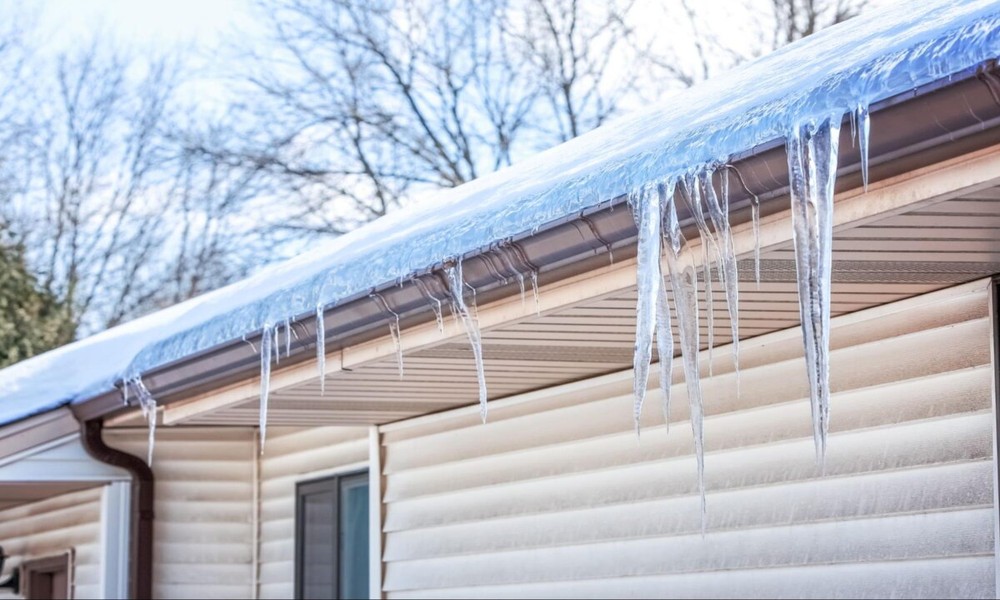
You might not think about your roof in summer. But winter brings heavy snow. So you must check your roof early. Now is the time to prepare. Ice dams form when snow melts and refreezes. This causes water to back up under shingles. That leads to leaks and damage. You should act before cold months arrive.
Sometimes hidden flaws only show in winter. The structure may weaken over time. That is why inspection matters. Trust experts like On Top Roofing Service for accurate evaluations. They offer full assessments for safety. Now consider the key signs of risk. This is where the right winter roof prep is essential now.
Check Roof Slope and Design
Roof slope affects snow buildup. Flat roofs keep more snow. Steep roofs shed snow faster. But steep slopes can cause avalanche risks. Ice dams often form on low-slope areas. Valleys and eaves are weak spots. Snow collects there first. Heat from inside the house rises. This warms the roof unevenly. Melted snow flows down slowly. But it freezes at the edge. That forms an ice dam. You should examine your roof layout. Now look for areas where water pools. Also watch for previous ice marks. These are clues to future problems. On Top Roofing Service checks every angle carefully. Their team knows what to spot.
Inspect Insulation and Ventilation
Poor attic insulation causes big issues. Warm air rises into the attic. This heats the roof from below. Snow melts even in freezing weather. But the eaves stay cold. So the meltwater refreezes at the edge. This starts ice dam formation. Good ventilation balances attic temperature. It keeps the roof cold and even.
You need soffit vents and ridge vents. They let cold air circulate. This prevents warm spots. Check for damp insulation or frost. These are warning signs. So replace damaged or old insulation. Upgrade vents if needed. Let fresh air move freely. On Top Roofing Service tests airflow with precision. Their reports help you act on time.
Examine Shingles and Flashing
Damaged shingles let water in. Cracked, lifted, or missing ones are weak. Flashing around chimneys and vents must seal tight. Snow and ice push water under gaps. This causes hidden leaks. You should walk around your house. Look up at the roof line. Find areas where shingles curl or buckle. Also check valleys where two roof sections meet. These places get heavy runoff. Flashing failure here leads to big leaks. But good shingles resist ice pressure. Replace old or worn sections early. Now is not the time to delay. Get repairs done in mild weather. This prevents emergency winter fixes. Quality materials last longer. On Top Roofing Service uses top-grade products. Their work meets all safety standards.
