


Enhancing Outdoor Living Spaces: Roofing, Decks, and PoolsDefining Modern Outdoor Living Spaces
As of May 2026, our homes are more than just four walls. Many of us are looking to our backyards as valuable extensions of our living space. New data shows that a well-designed outdoor area can boost a home’s value by as much as 20%. In fact, over 70% of homeowners plan to invest in outdoor improvements this year.
These spaces have come a long way from simple patios. Today, they are sophisticated, multifunctional areas. They seamlessly blend the indoors with the outdoors. Achieving this requires careful planning. We need to consider durable hardscaping, smart roofing solutions, and great amenities like outdoor kitchens and custom pools. For those seeking expert guidance on structural elements like robust overhead coverings, especially for Pasadena roofing services, professional advice can ensure lasting quality.
In this extensive guide, we will explore everything you need to know. We will cover popular types of outdoor living spaces, how to pick the best materials and furniture, and key design features like lighting and privacy. We will also dive into exciting additions like outdoor kitchens and fire pits. Finally, we will share best practices for year-round maintenance. Join us as we uncover how to create your perfect outdoor oasis.
Modern outdoor living spaces are no longer just patches of grass or simple concrete slabs; they are thoughtfully designed extensions of our homes, mirroring the comfort and functionality of interior rooms. The trend, as of May 2026, emphasizes creating distinct functional zones that cater to various activities, from dining and lounging to cooking and entertaining. Effective design hinges on careful planning of circulation paths, ensuring a natural flow between these zones. This approach, often referred to as zone-based planning, is crucial for maximizing usability and creating a cohesive environment.
Consider your outdoor area as an additional room, complete with “walls” defined by pergolas or planting, and “furniture” arranged for conversation and comfort. This mindset allows for a stronger indoor-outdoor connection, blurring the lines between your home’s interior and exterior. Designers often use techniques like wide steps that replace traditional deck railings to improve access and openness, or even low-tech mockups with painter’s tape and existing furniture to visualize layouts before committing to expensive materials. The goal is to transform every square foot into a usable, inviting space that enhances your lifestyle.
When planning, it’s beneficial to think about how different elements interact. For instance, balancing hardscape areas with softer green spaces is vital, especially for families who need play areas for children. The placement of structural elements, like pergola posts, should preserve open gathering spaces rather than clutter them. For deeper insights into creating versatile outdoor areas, exploring multifunctional design principles can provide valuable guidance.
Choosing between patios and decks is one of the foundational decisions in defining your outdoor space. While both serve as platforms for outdoor activities, they differ significantly in maintenance, cost, and suitability for various terrains. Patios, often built on level ground, are generally considered lower maintenance, especially when constructed with durable materials like concrete pavers. Decks, particularly those made of wood, may require more frequent care, though modern composite or aluminum decking options offer excellent low-maintenance alternatives.
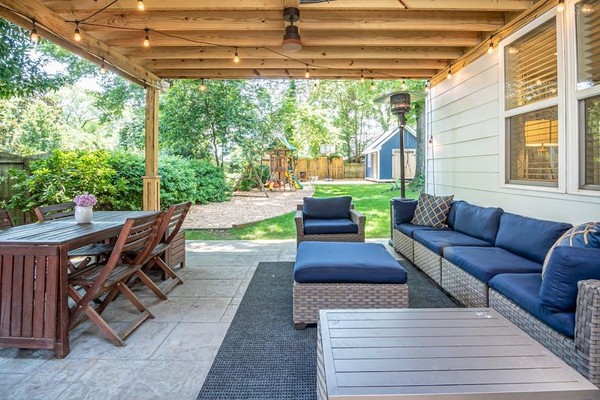
Popular Types of Outdoor Living Spaces
The versatility of outdoor living spaces means they can take on many forms, each offering unique design and functional advantages. The most popular types often reflect homeowners’ desire for tailored experiences and seamless integration with their homes.

- Patios: These ground-level paved areas are perhaps the most common. They can be simple concrete slabs or elaborate designs using natural stone, bricks, or pavers. Patios are excellent for creating defined zones for dining, lounging, or fire features. They are generally low-maintenance and versatile, adapting to various styles.
- Decks: Elevated structures, typically made of wood or composite materials, decks are ideal for uneven terrain or for creating a raised platform that aligns with indoor living areas. They offer a distinct architectural element and can be designed with multiple levels for different functions.
- Screened Porches: Providing protection from insects and some weather elements, screened porches offer a comfortable, semi-outdoor environment. They are perfect for enjoying fresh air without the nuisances of bugs, making them popular in many climates.
- Three-Season Rooms: These enclosed spaces, often with large windows or screens, extend the usability of your outdoor area into cooler months. They offer more protection than a screened porch but are not typically heated for year-round use.
- Sunrooms: Fully enclosed and often heated, sunrooms act as true extensions of the home, offering year-round enjoyment of natural light and outdoor views, regardless of the weather.
- Hybrid Layouts: Increasingly popular, hybrid designs combine elements like a deck attached to the house leading down to a ground-level patio. This allows for distinct functional zones, such as an upper deck for grilling and an lower patio for lounging by a fire pit.
For more detailed information on the various configurations and components that make up these diverse outdoor environments, a comprehensive resource like Outdoor Living Spaces – Gardening Solutions can be invaluable. This type of guide helps homeowners understand the fundamental choices for flooring, shading, and privacy elements.
Influence of Architectural Styles on Outdoor Living Spaces
Just as interior design styles shape our homes, architectural aesthetics profoundly influence the look and feel of outdoor living areas. Harmonizing your outdoor space with your home’s existing style creates a cohesive and visually appealing property.
- Modern Minimalism: Characterized by clean lines, geometric shapes, and a focus on functionality, modern outdoor spaces often feature sleek materials like concrete, steel, and glass. Furniture is typically low-profile, and landscaping is often structured with minimal, architectural planting.
- Mediterranean Aesthetics: Drawing inspiration from coastal European regions, this style incorporates warm earthy tones, terracotta, stucco, and natural stone. Arches, ornate ironwork, and lush, drought-tolerant plants like olive trees and lavender are common. Outdoor kitchens and shaded pergolas are central to this design.
- Rustic Timber Frames: Emphasizing natural materials and craftsmanship, rustic designs often feature heavy timber beams, natural wood finishes, and stone elements. This style creates a cozy, robust feel, perfect for cabins or homes seeking a connection to nature. Thatch roofs, often seen in luxury designs, can evoke a tropical or safari theme, providing a unique, natural aesthetic.
- Boho-Chic: This eclectic style embraces comfort, global influences, and a relaxed, artistic vibe. It often includes layered textiles, macrame, woven furniture, vibrant colors, and an abundance of plants. The focus is on creating a free-spirited, inviting atmosphere.
- Coastal Porches: Inspired by beach houses, coastal designs favor light, airy colors, natural textures like wicker and rattan, and durable, weather-resistant materials. The emphasis is on comfort and views, often featuring comfortable seating arrangements and subtle nautical accents.
- Traditional Masonry: This style often uses classic brickwork, stone, and wrought iron, creating a timeless and elegant appearance. Formal garden layouts, symmetrical designs, and classic outdoor furniture are hallmarks of traditional outdoor spaces.
Whether your home boasts a contemporary facade or a more classic appeal, there are local experts who specialize in translating these styles into functional outdoor environments. For homeowners in Southeast Texas, exploring custom outdoor living designs in La Porte can provide examples of how various architectural styles are integrated into local outdoor spaces, demonstrating the breadth of possibilities.
Structural Essentials: Roofing and Shade Solutions
No outdoor living space is truly complete without thoughtful consideration of overhead protection. Roofing and shade solutions are not merely aesthetic additions; they are fundamental for comfort, functionality, and extending the usability of your outdoor areas. From providing UV protection to offering shelter from unexpected rain, these structures are pivotal in creating a truly livable outdoor environment.
Louvered roofs, pergolas, pavilions, and gazebos each offer distinct advantages. Louvered roofs, for example, provide dynamic control over sunlight and ventilation. Many modern systems are even remote-controlled and can integrate with home automation, allowing you to adjust the amount of shade or sun with the touch of a button. This adaptability makes them ideal for various weather conditions and times of day.
For homeowners seeking robust and long-lasting overhead solutions, considering materials like metal for patio covers is a smart choice. A metal patio roof in Pasadena TX offers superior durability and weather resistance, crucial for the local climate. These structures not only protect your outdoor furniture and appliances but also contribute significantly to the overall aesthetic and value of your home. When planning for such significant additions, it’s also wise to consider the long-term integrity of your entire roofing system; a comprehensive roof replacement might be a necessary investment to ensure your home’s protection matches that of your new outdoor sanctuary.
Benefits of Permanent Structures like Pergolas and Pavilions
Incorporating permanent structures like pergolas, gazebos, and pavilions into your outdoor living space offers a multitude of benefits that go beyond simple aesthetics. These structures serve as architectural focal points, defining areas and adding visual interest, but their primary value lies in their enhanced functionality and protection.

- Shade Coverage: Perhaps the most immediate benefit, these structures provide essential shade, making outdoor spaces more comfortable during hot summer months. Pergolas, with their slatted roofs, offer partial shade, often enhanced by climbing plants, while pavilions and gazebos provide full, solid roof coverage.
- Architectural Focal Points: They can anchor a design, drawing the eye and creating a sense of grandeur or intimacy. A beautifully designed pergola can frame a dining area, while a gazebo can create a charming retreat in a garden.
- Property Value: Well-designed and constructed outdoor structures significantly increase property value. They transform unused yard space into valuable, functional extensions of the home, appealing to potential buyers.
- Weather Protection: Pavilions and gazebos, with their solid roofs, offer excellent protection from rain, allowing outdoor activities to continue even during unexpected showers. This extends the usability of the space throughout the year.
- Year-Round Usability: By offering shelter from sun and rain, these structures enable homeowners to enjoy their outdoor spaces for more months out of the year, or even year-round in milder climates. Adding features like outdoor heaters or fireplaces further extends this usability.
- Structural Integrity: Built with durable materials and strong foundations, these structures provide a sense of permanence and enclosure, making outdoor areas feel more like defined “rooms.”
Even lighter-weight options, such as those that might be considered for a lightweight conservatory roof, demonstrate the importance of overhead protection in creating comfortable, usable spaces, highlighting the versatility of structural solutions.
Integrating Advanced Roofing Materials
The choice of roofing materials for your outdoor structures is critical, impacting not only durability and longevity but also aesthetic appeal and maintenance requirements. Modern advancements offer a wide array of options beyond traditional wood.
- Douglas Fir and Cedar: These natural timbers are highly valued for their strength and beauty. Douglas Fir is renowned for its exceptional structural integrity, making it a robust choice for large pergolas and pavilions. Cedar, on the other hand, offers natural resistance to insects and decay due to its inherent oils, making it a durable and aromatic option for outdoor use. Many timber frame structures utilize traditional mortise and tenon joinery, creating strong connections without visible metal hardware, which also contributes to their weather resistance.
- Aluminum: Lightweight, corrosion-resistant, and highly durable, aluminum is an excellent choice for louvered roof systems and modern patio covers. It requires minimal maintenance and can be powder-coated in various colors to match any aesthetic.
- Composite Shingles: While more common on residential homes, specialized composite shingles designed for outdoor structures offer good weather protection and a traditional look.
- Standing Seam Metal: This material is increasingly popular for its sleek, modern appearance, exceptional longevity, and low maintenance. Metal roofs are highly resistant to fire, rot, and insects, and can withstand extreme weather conditions.
- Polycarbonate Panels: For areas where natural light is desired but rain protection is also needed, polycarbonate panels are a great solution. They are lightweight, impact-resistant, and offer UV protection, making them ideal for pergolas or partial roof sections.
- Solar Integration: As sustainability becomes a priority, integrating solar panels into outdoor roof structures is gaining traction. These can power outdoor lighting, appliances, or even contribute to your home’s energy supply.
When considering advanced roofing materials, especially for structures that might resemble enclosed spaces, it’s helpful to look at guides for similar applications. For instance, a Tiled Conservatory Roof Guide can offer insights into durability, insulation, and aesthetic integration, which are equally relevant for high-quality outdoor living structures.
Material Selection for Durability and Style
The longevity and aesthetic appeal of your outdoor living space depend heavily on the materials you choose for both hardscaping and furnishings. Outdoor environments expose materials to harsh elements-sun, rain, humidity, and temperature fluctuations-making durability a paramount concern. Selecting weather-resistant materials is key to ensuring your investment stands the test of time and continues to look good for years to come.
Performance fabrics, for example, are a game-changer for outdoor cushions and upholstery. Made from solution-dyed acrylics or polyesters, these fabrics resist fading from UV rays, repel moisture, and are often mildew-resistant, making them ideal for plush, comfortable seating. Similarly, for furniture frames, materials like teak, acacia, and wrought iron are popular choices due to their inherent ability to withstand outdoor conditions. Teak, in particular, is prized for its natural oils that repel water and insects, allowing it to age gracefully into a beautiful silvery-gray patina.
For homeowners looking to revitalize existing outdoor furniture or wooden decks, professional Outdoor space restoration services can breathe new life into weathered pieces, ensuring they remain beautiful and functional. This attention to material quality and maintenance is what truly elevates an outdoor space from temporary to enduring.
Choosing the Right Flooring and Hardscaping
The foundation of any outdoor living space is its flooring and hardscaping, which define the area and influence its functionality and aesthetic. The right choice balances durability, maintenance, and visual harmony with your home.

- Concrete Pavers: A versatile and popular option, concrete pavers come in a vast array of colors, shapes, and textures. Smooth pavers offer a modern look, while tumbled pavers or flagstone-style options provide a more natural, aged appearance. They are durable, easy to repair (individual pavers can be replaced), and can be permeable to manage stormwater runoff.
- Natural Flagstone: For a classic, organic aesthetic, natural flagstone is an excellent choice. Its irregular shapes and earthy tones blend seamlessly with natural landscapes. It’s highly durable but can be more labor-intensive to install.
- Stamped Concrete: This option allows for creative designs, mimicking the look of brick, stone, or wood at a lower cost. It’s durable and low-maintenance but can crack over time if not properly installed and maintained.
- Composite Lumber: A leading choice for decks, composite lumber (made from wood fibers and recycled plastic) offers exceptional durability and very low maintenance. Unlike traditional wood, it resists rot, insects, and splintering, and often comes with extensive warranties. While the upfront cost can be higher, its longevity and minimal upkeep often make it a cost-effective choice in the long run.
- Aluminum Decking: For the ultimate in durability and fire resistance, aluminum decking is a premium option. It’s lightweight, strong, and virtually maintenance-free, though it comes with a higher price tag.
When selecting hardscaping materials, it’s often beneficial to explore pre-designed templates and ideas. Resources like Belgard design templates can provide inspiration and practical layouts for various outdoor “rooms,” showcasing how different materials can be integrated into cohesive designs. Beyond aesthetics, consider practical factors like slip resistance, especially around pools, and proper drainage to prevent water accumulation.
Furniture and Decor for Comfort
Once your structural elements and hardscaping are in place, selecting the right furniture and decor transforms a functional space into a comfortable oasis. Comfort should be a top priority, ensuring your outdoor areas are as inviting as your indoor ones.
- Ergonomic Design: Choose furniture that is not only stylish but also comfortable for extended lounging. Deep seating, supportive cushions, and appropriate heights for dining chairs are crucial.
- Plush Cushions and Performance Fabrics: Invest in high-quality, plush cushions made from solution-dyed acrylic or polyester fabrics. These materials are designed to resist UV fading, moisture, and mildew, ensuring they remain vibrant and comfortable season after season.
- UV-Resistant Wicker and Rattan: Modern synthetic wicker and rattan furniture offers the classic look of natural fibers with superior durability. These materials are UV-resistant, preventing brittleness and fading, and are easy to clean.
- Sectional Seating: For larger spaces or to accommodate entertaining, outdoor sectionals provide ample seating and flexibility in arrangement, encouraging conversation and relaxation.
- Fire-Rated Textiles: For areas near fire pits or outdoor fireplaces, consider fire-rated textiles for added safety.
- Storage Solutions: Incorporate clever storage solutions like benches with hidden compartments or weatherproof deck boxes to keep cushions, throws, and other accessories protected from the elements and neatly organized.
- Ambient Lighting: Beyond functional lighting, ambient decor like string lights, lanterns, and outdoor lamps create a warm, inviting atmosphere for evening enjoyment.
For a wide array of options that blend comfort, durability, and style, exploring various Living Spaces collections can provide inspiration for creating an outdoor environment that truly reflects your personal taste and lifestyle. Regular cleaning with mild soap and water, along with using furniture covers or storing cushions in dry places, will significantly extend the life and appeal of your outdoor furnishings.
Enhancing Functionality with Kitchens and Pools
To truly elevate an outdoor living space, integrating high-performance amenities like outdoor kitchens and custom pools can transform your backyard into a premier entertainment hub and a personal resort. These features not only enhance functionality but also significantly boost the enjoyment and value of your property.
Outdoor kitchens bring the convenience of indoor cooking to the fresh air, making entertaining a breeze. From simple grill stations to elaborate gourmet setups, they allow you to prepare and serve meals without ever leaving your guests. The “work triangle” principle, common in indoor kitchen design, is equally applicable here: positioning the refrigerator, sink, and grill to minimize steps and maximize efficiency. An ideal work triangle measures between 12 and 25 feet total, with no single leg shorter than 4 feet or longer than 9 feet, ensuring a smooth workflow.
Complementing a sophisticated outdoor kitchen, a well-designed pool offers both recreation and aesthetic appeal. Beyond a simple swimming hole, modern pools can incorporate features like infinity edges that blend with the horizon, therapeutic hydro-jets, and vibrant LED lighting for evening ambiance. These elements turn a pool into a dynamic water feature and a focal point of relaxation and entertainment. For homeowners envisioning such an aquatic centerpiece, consulting with experts in Better pool design can ensure the final product is both stunning and perfectly tailored to their needs. The synergy between a fully equipped outdoor kitchen and a luxurious pool creates an unparalleled outdoor living experience, as highlighted in comprehensive resources like the Complete 2025 Guide to Outdoor Living.
Designing High-Performance Outdoor Kitchens
Designing an outdoor kitchen requires careful consideration of appliances, layout, and weatherproofing to ensure it’s both functional and durable. These spaces are far more than just a grill on a patio; they are sophisticated culinary zones.
- Grill Stations: The centerpiece of most outdoor kitchens, choose a high-quality grill that suits your cooking style, whether it’s a gas grill, charcoal, or a smoker. Integrate it seamlessly into a counter for a built-in look.
- Prep Islands and Countertops: Ample counter space is essential for food preparation and serving. Materials like granite, quartz, or concrete are popular for their durability and resistance to the elements.
- Outdoor Refrigeration: An outdoor refrigerator keeps beverages and ingredients cool and easily accessible, reducing trips back inside.
- Pizza Ovens and Side Burners: For the ultimate culinary experience, consider adding a wood-fired pizza oven or side burners for preparing sauces and sides.
- Weatherproof Cabinetry: Invest in cabinetry designed for outdoor use, made from marine-grade polymer, stainless steel, or sealed hardwoods, to protect utensils and supplies from moisture and pests.
- Natural Gas Lines: If available, connecting to a natural gas line eliminates the need for propane tank refills, offering continuous cooking power.
- Task Lighting: Incorporate focused task lighting over cooking and prep areas to ensure visibility and safety during evening use.
When planning your outdoor kitchen, it’s beneficial to think in zones. For instance, in regions like North Texas, North Texas kitchen layouts often emphasize separating the cooking zone slightly from the main gathering area to prevent smoke from bothering guests while keeping it close enough for easy access.
Fire Features and Water Elements
Fire and water elements add dynamic sensory experiences to outdoor living spaces, enhancing ambiance, comfort, and visual appeal. They serve as natural gathering points and contribute significantly to the overall enjoyment of the backyard.
- Fire Pits: A classic choice, fire pits offer warmth, light, and a cozy atmosphere for conversations and marshmallow roasting. They can be built-in with stone or concrete, or portable units. When positioning, ensure fire pits are at least 10 feet from any structures or flammable materials for safety.
- Outdoor Fireplaces: For a more architectural statement, outdoor fireplaces provide a grand focal point. They offer a more contained flame and can include mantels or hearths for decorative elements. Both fire pits and fireplaces can be fueled by wood, natural gas, or propane, with gas options offering convenience and instant ignition, though operating costs for gas fireplaces typically run $1-2 per hour.
- Infinity Edges: For pools, an infinity edge creates a stunning visual effect where the water appears to spill over the edge, blending seamlessly with the horizon or surrounding landscape.
- Waterfalls and Bubblers: Incorporating waterfalls, cascades, or subtle bubblers into pools or standalone water features adds soothing sounds and visual interest. These elements contribute to a tranquil environment and can mask ambient noise.
- Visual Tranquility: Beyond their functional benefits, water features inherently bring a sense of calm and natural beauty, making your outdoor space a more peaceful retreat.
When integrating these elements, always prioritize safety. Adhering to safety standards for fire features is paramount, including proper clearances and ventilation. For any electrical or gas line installations, consulting with licensed professionals is crucial to ensure code compliance and safe operation.
Year-Round Maintenance and Longevity
Ensuring the longevity and appeal of your outdoor living space requires a commitment to year-round maintenance. Just like the interior of your home, outdoor areas benefit from regular care, seasonal inspections, and proactive measures to protect against wear and tear. This is particularly true for structures like decks, patios, and roofs, which are constantly exposed to the elements.
Routine tasks like power washing hard surfaces, cleaning gutters, and inspecting for any signs of damage are essential. For instance, decks should ideally be inspected at least twice a year, in spring and fall, and after any major storms, to check for loose boards, rot, or structural issues. Similarly, keeping an eye on your home’s roof and any attached patio covers is vital. If you notice signs of damage, addressing them promptly can prevent more extensive and costly repairs down the line. For any urgent roofing concerns, understanding the Pasadena emergency roof repair cost can help you prepare for unforeseen issues.
Winterization is also a critical practice in many climates, involving steps like draining water features, covering furniture, and storing cushions to protect them from freezing temperatures and harsh weather. Regular sealing of wood and stone surfaces helps to repel moisture and prevent staining, while pest control measures can protect both structures and plantings. For comprehensive support in maintaining your home’s exterior integrity, including roofing, local experts such as roofers near me in Houston can provide invaluable services.
Best Practices for Maintaining Outdoor Living Spaces
To keep your outdoor living space looking its best and performing optimally, consistent maintenance is key. Here are some best practices:
- Bi-Annual Cleaning: Schedule thorough cleanings twice a year, typically in spring and fall. This includes power washing hardscaping (patios, walkways), cleaning furniture, and scrubbing outdoor rugs.
- Gutter Clearance: Ensure all gutters and downspouts on your home and any attached patio covers are clear of debris. Clogged gutters can lead to water overflow, potentially damaging foundations, fascia, and landscaping.
- Furniture Covers and Storage: Invest in high-quality, weatherproof covers for all outdoor furniture. During off-seasons or extended periods of non-use, store cushions in a dry, protected area to prevent mold, mildew, and fading.
- Stone and Wood Sealing: Depending on the material, apply appropriate sealants to natural stone patios and wooden decks every 1-3 years. This protects against moisture penetration, staining, and UV damage.
- Deck Inspection Checklist: Regularly check your deck for loose railings, wobbly posts, splintering wood, or signs of rot. A detailed deck inspection checklist can guide you through a thorough safety and maintenance review.
- Mold and Mildew Prevention: In humid climates, regularly clean surfaces with a mild bleach solution or commercial outdoor cleaner to prevent mold and mildew growth. Ensure good air circulation around plants and furniture.
- Hardware Tightening: Periodically check and tighten any loose screws or bolts on outdoor furniture, pergolas, and other structures to maintain stability and safety.
Sustainable and Eco-Friendly Integration
Integrating sustainable and eco-friendly elements into your outdoor living space not only benefits the environment but can also reduce long-term maintenance and utility costs.
- Native Landscaping: Choose native plants that are well-adapted to your local climate. They require less water, fertilizer, and pest control, promoting biodiversity and reducing your ecological footprint. For privacy, hardy evergreen varieties can provide year-round coverage.
- Solar Lighting: Harness the sun’s energy with solar-powered lights. These fixtures convert sunlight into electricity stored in batteries, illuminating pathways and features without consuming grid power. Place them where they receive adequate sunlight and keep them clear of obstructions for optimal performance.
- Rainwater Harvesting: Install rain barrels or a more elaborate rainwater harvesting system to collect water from your roof. This water can be used for irrigation, reducing reliance on municipal water supplies.
- Recycled Composites: Opt for decking, fencing, or furniture made from recycled composite materials. These products often have a longer lifespan than traditional wood and divert waste from landfills.
- Low-VOC Stains and Sealants: When treating wood or concrete, choose low-VOC (volatile organic compound) stains and sealants to minimize harmful chemical emissions into the air.
- LED Efficiency: Replace traditional outdoor bulbs with energy-efficient LED lighting. LEDs consume less power, have a longer lifespan, and offer a wide range of color temperatures and brightness levels.
For homeowners seeking guidance on integrating natural elements for privacy and beauty, a resource like Gardening solutions for privacy can offer excellent ideas for using plants and natural barriers to create secluded and sustainable outdoor retreats.
Frequently Asked Questions about Outdoor Living Spaces
How much value does an outdoor living space add to a home?
A professionally designed outdoor living space typically adds between 15% and 20% to a home’s overall value. This significant return on investment makes it one of the most impactful home improvements. High-demand features like covered patios, outdoor kitchens, and well-integrated fire pits offer the highest appreciation in the current 2026 real estate market.
What are the best materials for low-maintenance outdoor living?
For low-maintenance longevity, composite decking and aluminum roofing systems are premier choices. Unlike traditional wood, these materials resist rot, insects, and UV fading, often carrying warranties of 25 years or more. For furniture, synthetic wicker, marine-grade polymer, and powder-coated aluminum frames paired with solution-dyed acrylic fabrics offer excellent durability with minimal upkeep.
How do I choose between a pergola and a pavilion?
The choice between a pergola and a pavilion primarily depends on your need for moisture protection and the desired level of enclosure. Pergolas feature an open, slatted roof design, providing partial shade and architectural interest, often enhanced with climbing plants. They create a defined space without fully blocking the sky. Pavilions, on the other hand, offer a solid, fully covered roof, providing complete protection from rain and intense sun. This makes them ideal for housing outdoor electronics, high-end kitchens, or creating a truly weather-protected outdoor room. If you prioritize full shelter and a more enclosed feel, a pavilion is the better choice. If you prefer filtered light and an open-air aesthetic, a pergola is more suitable.
Conclusion
As we’ve explored, transforming a backyard into a truly exceptional outdoor living space involves much more than just adding a few chairs. It requires strategic planning, a keen eye for material quality, and often, professional installation to ensure lasting beauty and functionality. By focusing on defining functional zones, selecting durable and stylish materials, and integrating amenities like outdoor kitchens and pools, homeowners can create spaces that not only enhance their lifestyle but also provide a significant long-term return on investment.
The structural elements, particularly roofing and shade solutions, play a pivotal role in extending the usability of these areas year-round. From robust metal patio roofs to elegant timber frame pavilions, these structures offer essential protection and architectural appeal. Coupled with thoughtful maintenance practices and a commitment to sustainable choices, your outdoor living space can remain a vibrant, inviting extension of your home for decades to come. The ultimate goal is to achieve a final design cohesion where every element works together to create an environment that is both beautiful and perfectly suited to your needs.
