

Ensuring Year-Round Comfort with Advanced Climate ControlThe Role of Advanced Climate Control in Desert Climates
Living in Chandler, AZ, means experiencing extreme temperatures year-round. Our homes rely heavily on heat pumps to maintain comfort, cooling us through scorching summers and warming us during cooler winters. When these vital systems falter, it can quickly lead to discomfort and unexpected energy costs. Understanding the importance of a reliable heat pump is crucial for every homeowner here. This guide will explore common issues, maintenance needs, and how a professional heat pump repair company in Chandler, AZ, can ensure your system operates efficiently, providing consistent comfort throughout every season.
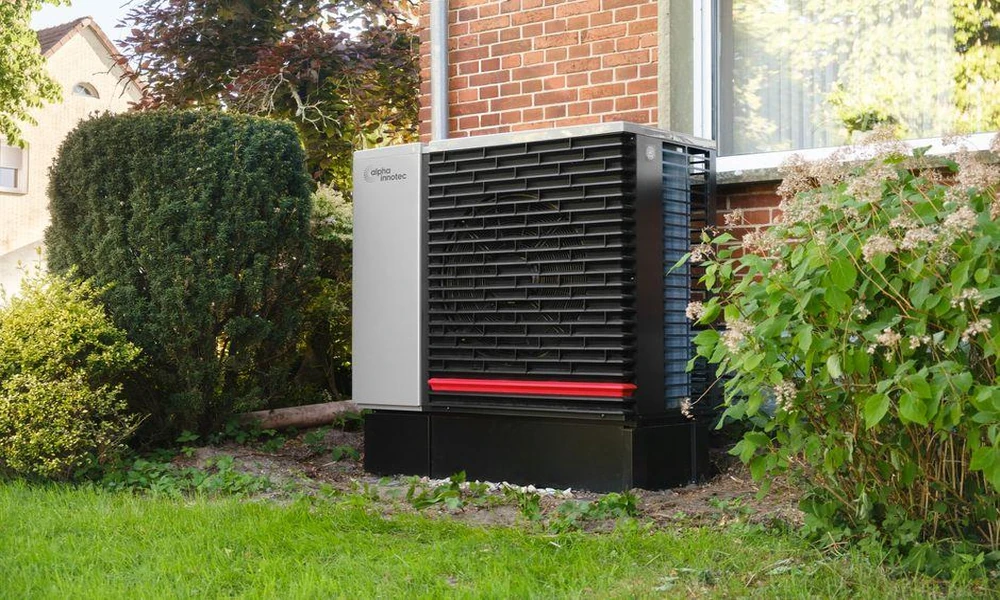
In the unique climate of Chandler, AZ, where temperatures can soar well over 100°F in the summer and dip into the 40s during winter nights, a heat pump serves as the cornerstone of home comfort. Unlike traditional HVAC systems that use separate units for heating and cooling, a heat pump is an integrated solution, offering both functions from a single, energy-efficient package. This advanced climate control technology operates by transferring heat rather than generating it.
During the scorching summer months, the heat pump functions much like an air conditioner, extracting heat from inside your home and expelling it outdoors. This process is incredibly efficient, especially when compared to older, less advanced cooling systems. When the cooler winter season arrives, the heat pump simply reverses its operation. Utilizing a component called a reversing valve, it extracts heat from the outdoor air-even when temperatures are relatively low-and transfers it indoors, providing warmth to your living spaces. This dual functionality makes heat pumps particularly well-suited for the Sonoran Desert’s seasonal temperature swings, ensuring year-round comfort with remarkable efficiency. The continuous demand placed on these systems throughout the year underscores the critical need for their consistent, optimal performance.
How Extreme Desert Heat and Dust Impact Heat Pump Performance
The arid, dusty environment and relentless heat of Chandler, AZ, pose unique challenges for heat pump systems, significantly influencing their performance and lifespan. Heat pumps in this region work harder and longer than in more temperate climates, operating nearly year-round to combat the intense conditions.
One of the most prevalent issues stems from the omnipresent desert dust. Fine particles of sand and grit are easily carried by winds, especially during the dramatic monsoon season. This dust inevitably infiltrates the outdoor unit, coating condenser coils. When coils become clogged with dust and debris, they act as an insulating blanket, severely restricting the system’s ability to transfer heat. This forces the heat pump to work harder and longer to achieve the desired temperature, leading to increased energy consumption, higher utility bills, and accelerated wear and tear on components.
Beyond dust, the extreme ambient temperatures themselves contribute to component degradation. Capacitors, vital electrical components that provide the initial jolt to start motors, are particularly vulnerable to thermal stress. Prolonged exposure to triple-digit temperatures can cause them to fail prematurely, leading to a non-starting unit or short cycling. Refrigerant lines and seals can also suffer under constant thermal expansion and contraction, increasing the risk of leaks.
The continuous operation required to maintain comfort in such an extreme climate also means that mechanical parts, like compressors and blower motors, experience greater stress. This constant demand, combined with reduced airflow due to dirty coils, can lead to overheating and eventual breakdown, shortening the overall system lifespan. While heat pumps in Arizona typically last 14-16 years on average, improper maintenance in the face of these environmental stressors can significantly reduce this longevity. Conversely, proper maintenance can extend their lifespan beyond 20 years, highlighting the importance of professional care in this challenging environment.
Key Indicators That Your Heat Pump Needs Professional Attention
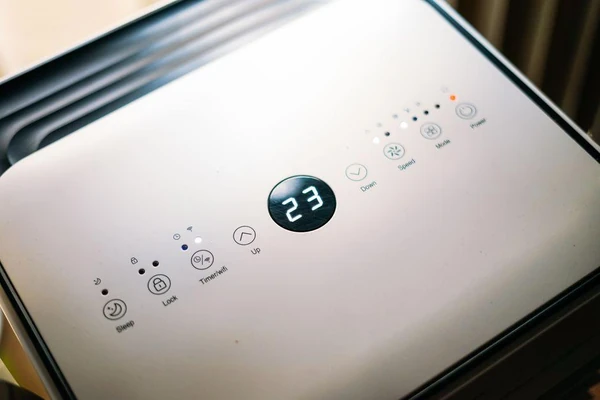
Recognizing the early warning signs that your heat pump is struggling can save you from more extensive and costly repairs down the line. In Chandler’s demanding climate, these indicators often manifest due to the unique stresses placed on the system.
One of the most common complaints is uneven temperatures throughout the home. If some rooms are noticeably warmer or cooler than others, or if the system seems to be running constantly without achieving a consistent temperature, it’s a clear sign of inefficiency. This could be due to issues ranging from refrigerant leaks to ductwork problems.
Weak airflow from vents is another critical indicator. This often points to a clogged air filter, issues with the blower motor, or obstructions within the ductwork. Reduced airflow not only diminishes comfort but also forces the system to work harder, increasing energy consumption and the risk of overheating.
Strange noises emanating from your heat pump, such as grinding, squealing, rattling, or hissing, should never be ignored. Grinding sounds might indicate a failing motor bearing, while a high-pitched squeal could signal a worn belt. Hissing often points to a refrigerant leak, a serious issue that needs immediate attention.
Short cycling, where the heat pump turns on and off frequently without completing a full cycle, suggests a problem with its ability to maintain temperature or an electrical fault. This inefficient operation wastes energy and puts immense strain on the compressor, potentially leading to its premature failure.
In both heating and cooling modes, iced coils are a significant red flag. During cooling, ice on the indoor evaporator coil can indicate low refrigerant levels or restricted airflow. In heating mode, ice on the outdoor condenser coil is normal during the defrost cycle, but persistent icing that doesn’t clear can signal a malfunctioning defrost system or insufficient airflow.
Finally, refrigerant leaks are a serious concern. Beyond the visible ice buildup, a noticeable drop in cooling or heating capacity, accompanied by a hissing sound, can indicate a leak. Refrigerant is essential for the heat transfer process, and low levels drastically reduce efficiency and can lead to compressor damage. For a more in-depth understanding of these and other issues requiring expert intervention, exploring resources on advanced climate control and heat pump repair can provide valuable insights into maintaining your system’s health.
Troubleshooting Airflow Issues with Advanced Climate Control
Airflow is paramount to your heat pump’s efficiency and your home’s comfort. When airflow is compromised, the entire system struggles, leading to the aforementioned issues like uneven temperatures and increased energy bills. Addressing airflow problems often begins with a few key areas.
The simplest and most overlooked component is the air filter. A clogged, dirty air filter significantly restricts airflow, forcing the blower motor to work harder and reducing the system’s ability to heat or cool effectively. We recommend checking and replacing your air filter every 1-3 months, especially in dusty Chandler, AZ.
Beyond the filter, the ductwork integrity plays a crucial role. Leaks, disconnections, or obstructions within your home’s duct system can cause significant air loss, leading to reduced airflow to certain rooms and increased energy waste. Professional inspection can identify and seal these leaks, ensuring conditioned air reaches its intended destination.
The blower motor is responsible for moving air through your system. If it’s malfunctioning or struggling, you’ll experience weak airflow. Issues can range from a failing motor to a dirty blower wheel, which can accumulate dust and debris, further impeding air movement.
Finally, proper static pressure within the duct system is vital. If the static pressure is too high or too low, it can indicate a problem with duct sizing, obstructions, or fan speed settings. A professional HVAC technician can measure static pressure and make necessary adjustments to optimize airflow. Ensuring proper airflow not only enhances comfort but also contributes significantly to overall indoor air quality by allowing the system to filter air effectively.
Deciding Between Heat Pump Repair and System Replacement
When your heat pump begins to falter, a critical decision arises: repair the existing unit or invest in a new system? This choice is multifaceted, influenced by several factors, including the system’s age, the frequency and cost of repairs, and the potential for energy savings with a newer, more efficient model.
The system age is often the primary consideration. Heat pumps in Arizona typically last 14-16 years. If your unit is approaching or has exceeded this average lifespan, especially if it’s over 10-12 years old, the cost-effectiveness of repairs diminishes. Older systems are also more prone to developing multiple issues, leading to a cycle of frequent, expensive fixes.
Frequency of repairs is another key indicator. If you find yourself calling for service multiple times a year, or if individual repair costs are starting to accumulate to a significant percentage of a new system’s price (e.g., 30-50%), replacement often becomes the more financially prudent choice. Major component failures, such as a compressor breakdown, can be so expensive to repair that they make replacement the logical option, particularly for older units.
Furthermore, advancements in SEER (Seasonal Energy Efficiency Ratio) ratings mean that newer heat pumps are significantly more energy-efficient than models from even a decade ago. A well-maintained heat pump can save 30% to 60% on heating costs compared to traditional systems. Replacing an older, less efficient unit with a high-SEER model can lead to substantial energy savings on your monthly utility bills, quickly offsetting a portion of the initial investment.
Here’s a simplified comparison of factors to consider:
Factor Repair Favored Replacement Favored System Age Under 10 years old Over 10-12 years old, nearing end of lifespan Repair Cost Minor, inexpensive repairs Major component failure (e.g., compressor), high cost Repair Frequency Infrequent, isolated issues Frequent breakdowns, recurring problems Energy Bills Stable, reasonable Noticeably increasing, high operating costs Efficiency System still performs well Low SEER rating, poor performance Comfort Consistent, reliable Uneven temperatures, struggling to maintain settings Warranty Still under warranty Warranty expired, no coverage for parts/labor The decision should be made after a thorough professional assessment. A reputable HVAC technician can diagnose the current issue, evaluate the overall health of your system, and provide a transparent comparison of repair costs versus the long-term benefits and energy savings of a new installation.
Maximizing Efficiency Through Advanced Climate Control Upgrades
Beyond simply repairing or replacing a failing unit, homeowners in Chandler have opportunities to significantly enhance their home comfort and energy efficiency through modern advanced climate control upgrades. These technologies not only improve performance but can also extend the lifespan of your system and reduce your environmental footprint.
One of the most impactful upgrades is the installation of smart thermostats. These devices learn your preferences, can be controlled remotely via smartphone, and optimize heating and cooling schedules to reduce energy waste. Many smart thermostats also provide detailed energy usage reports, empowering you to make informed decisions about your climate control.
Another significant advancement is the advent of variable-speed compressors in heat pumps. Unlike older single-speed units that are either “on” or “off,” variable-speed technology allows the compressor to operate at different capacities, precisely matching the heating or cooling demand. This results in much quieter operation, more consistent temperatures, superior humidity control, and substantial energy savings, as the system avoids the energy spikes associated with constant on/off cycling.
For homes with diverse heating and cooling needs across different areas, zoned comfort systems are an excellent solution. These systems use dampers within the ductwork to control airflow to specific zones, allowing you to set different temperatures in different parts of your home. This eliminates wasted energy in unoccupied areas and provides personalized comfort, which is particularly beneficial in larger homes or those with multiple occupants.
Finally, for additions, converted spaces, or homes without existing ductwork, mini-split systems offer a highly efficient and flexible solution. These ductless heat pumps provide targeted heating and cooling to individual rooms or zones, offering precise control and eliminating the energy losses associated with ductwork. They are an ideal choice for achieving long-term reliability and comfort without the need for extensive renovations. Integrating these upgrades can transform your home’s climate control, leading to enhanced comfort and reduced energy consumption for years to come.
Frequently Asked Questions About Heat Pump Maintenance
Homeowners in Chandler often have specific questions about how to best care for their heat pumps, given the unique demands of the Arizona climate. Here, we address some of the most common inquiries.
How often should a heat pump be serviced in Arizona’s climate?
Given that heat pumps in Chandler operate year-round for both heating and cooling, they endure significantly more wear and tear than systems in climates with distinct heating or cooling seasons. For optimal performance, efficiency, and longevity, we strongly recommend semi-annual maintenance. This means scheduling two professional tune-ups per year: one in the spring before the intense summer cooling season begins, and another in the fall before the cooler winter months.
These pre-season tune-ups allow technicians to identify and address minor issues before they escalate into major breakdowns. During these visits, a professional will perform a comprehensive inspection, clean critical components like coils, check refrigerant levels, test electrical connections, and ensure all parts are functioning correctly. This proactive approach not only helps prevent inconvenient and costly emergency repairs but also maintains the system’s energy efficiency, which can save you money on utility bills.
What are the most common causes of heat pump failure in Chandler?
The harsh desert environment contributes to several common causes of heat pump failure in our region:
- Failed Capacitors: As mentioned earlier, the extreme heat significantly degrades capacitors, which are crucial for starting the compressor and fan motors. These are frequent culprits in a non-starting unit.
- Refrigerant Leaks: Constant thermal stress on lines and seals, combined with vibrations from continuous operation, can lead to refrigerant leaks. Low refrigerant levels drastically reduce efficiency and can cause the compressor to overheat and fail.
- Clogged Condensate Drains: During the long cooling season, heat pumps produce a significant amount of condensate. If the drain line becomes clogged with algae or debris, water can back up, leading to leaks, potential water damage, and even system shutdown.
- Dirty Outdoor Coils: The pervasive desert dust and debris quickly accumulate on the outdoor condenser coils. This “insulating blanket” restricts heat transfer, forcing the system to work harder, leading to reduced efficiency, increased energy consumption, and accelerated component wear. Regular professional cleaning is essential to combat this.
- Aging Parts: With heat pumps in continuous use, mechanical components like the compressor, fan motors, and reversing valve simply wear out over time. While proper maintenance can extend their life, eventual replacement of these parts is inevitable.
Can a heat pump provide both heating and cooling effectively?
Absolutely. Providing both heating and cooling from a single unit is the primary advantage and defining characteristic of a heat pump. It achieves this versatility through a component called a reversing valve.
In cooling mode, the heat pump extracts heat from the indoor air and releases it outdoors, effectively cooling your home. When the weather turns chilly, the reversing valve changes the direction of the refrigerant flow. This allows the outdoor coil to absorb heat from the ambient air (even when it’s cool outside, as heat is always present unless it’s absolute zero) and transfer it indoors, providing warmth.
This ingenious heat transfer process makes heat pumps incredibly efficient for both functions. For Chandler’s climate, where winters are generally mild, a heat pump is an ideal heating solution, as it doesn’t need to generate heat through combustion but rather moves existing heat. Its high-efficiency cooling capabilities are, of course, indispensable during our long, scorching summers. This dual functionality offers homeowners a streamlined, energy-efficient approach to year-round comfort.
Conclusion
Maintaining a comfortable home in Chandler, AZ, relies heavily on the efficient and reliable operation of your heat pump. The unique challenges posed by our extreme desert climate-from pervasive dust to relentless heat-demand a proactive approach to system care. By understanding the common signs of trouble, recognizing when to opt for repair versus replacement, and committing to regular, professional maintenance, homeowners can ensure their heat pump continues to deliver consistent comfort and optimal energy efficiency.
Investing in preventative maintenance is not merely a cost; it’s an investment in your home’s comfort, your energy savings, and the longevity of your HVAC system. Regular tune-ups help mitigate the impact of the desert environment, catch minor issues before they become major breakdowns, and keep your system running at peak performance. When issues do arise, choosing professional HVAC services ensures accurate diagnosis and effective solutions tailored to the specific demands of our local conditions. A well-maintained heat pump is the key to reliable home comfort and energy efficiency optimization throughout every season in Chandler.
