

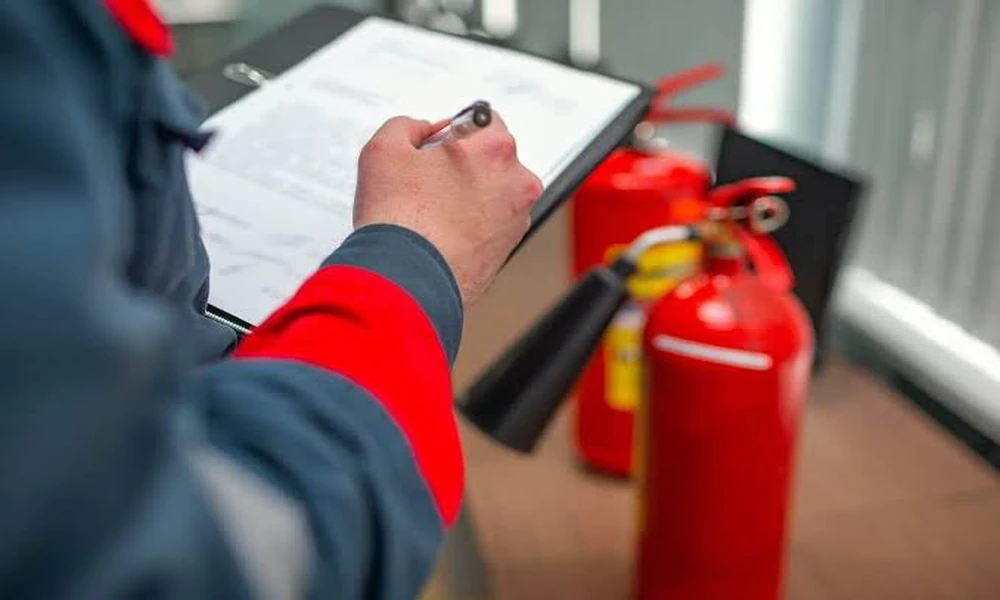
Fire watch security includes monitoring access as well as fire hazards. Effective access procedures help control movement through high-risk areas, reduce exposure to dangers, and improve overall site awareness.
For properties where fire hazards and security concerns overlap , fire watch security Fresno can provide an added layer of awareness around both site conditions and access activity. Effective personnel should understand which areas require restricted entry, recognize unauthorized access, and remain familiar with emergency exits and responder routes. Coordinating these responsibilities with existing security procedures helps maintain a safer environment without distracting fire watch personnel from their primary monitoring duties.
Understanding Access Requirements
Before beginning an assignment, fire watch personnel should understand the property’s access arrangements. This may include identifying authorized entrances, restricted areas, emergency exits, service entrances, and locations that require special permission.
Knowing these areas allows guards to recognize unusual activity and report access concerns to the appropriate supervisor or security personnel.
Protecting High-Risk Areas
High-risk areas such as hot work zones, electrical rooms, storage spaces, and construction sections may need tighter access controls. Guards should follow established procedures to limit unnecessary entry and prevent hazards.
Monitoring Unauthorized Entry
Unauthorized entry into restricted areas can introduce additional safety concerns. Individuals who are unfamiliar with site procedures may accidentally create hazards by moving combustible materials, operating equipment, or entering active work zones.
Fire watch guards should remain alert to unusual access activity and report suspected unauthorized entry according to the site’s security procedures. They should not place themselves in unnecessary danger when dealing with a potentially difficult situation.
Keeping Emergency Routes Accessible
Access control should never interfere with emergency evacuation or responder access. Fire watch personnel should be familiar with designated emergency exits and routes used by firefighters or other emergency teams.
Doors, corridors, gates, and access roads needed during an emergency should remain available according to the property’s safety plan. Any obstruction should be reported promptly to the responsible personnel.
Coordinating With Security Teams
At larger properties, fire watch guards may work alongside dedicated security staff. Clear communication between these teams can help avoid confusion about responsibilities.
Security personnel may manage identification checks, visitor access, and restricted areas, while fire watch guards focus primarily on fire-related hazards and monitoring duties. Both teams should understand how to communicate concerns and escalate serious situations.
Managing Visitors and Contractors
Visitors and contractors may not be familiar with the property’s fire safety procedures. Before entering certain areas, they may need appropriate authorization or safety instructions.
Fire watch personnel should follow the site’s established visitor and contractor procedures. If they notice unsafe behaviour or unauthorized activity, the issue should be communicated to the designated supervisor or security team.
Documenting Access-Related Concerns
Maintaining accurate records can help businesses identify recurring access problems. Fire watch documentation may include relevant observations about blocked emergency routes, unauthorized entry, or activities occurring in restricted areas.
Records should remain factual and should follow the company’s approved reporting procedures.
Avoiding Unnecessary Confrontation
Fire watch personnel should prioritize safety when dealing with access-related issues. They should follow their training and assigned authority rather than attempting to physically remove individuals or handle situations beyond their responsibilities.
When an access concern becomes a security issue, the appropriate security personnel or emergency authorities should be contacted according to the established plan.
