

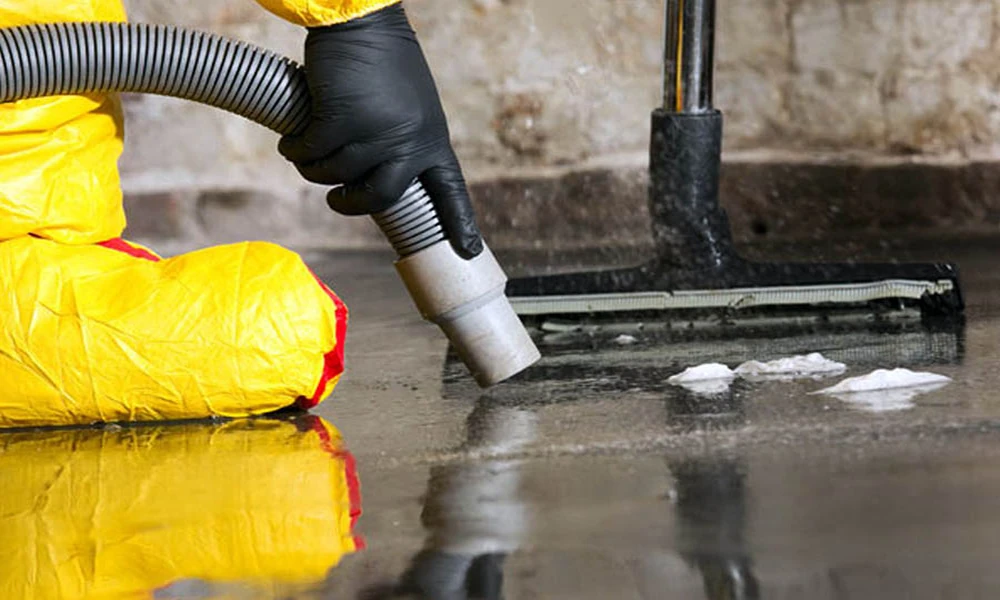
After damage, the instinct is to treat it as one cleanup problem. Restoration rarely works that way. The cause decides what is hiding inside the materials, how fast conditions get worse, and which first moves help rather than hurt. Water from a split supply line behaves nothing like rain pushed through a torn roof, and soot from a kitchen fire reaches places the flames never touched.
That matters in North Texas, where one year can bring spring hail and straight line winds, triple digit heat that bakes attics, and hard freezes like the February 2021 winter storm that burst pipes across Dallas Fort Worth. Most homes around Frisco sit on concrete slabs, with drywall interiors and HVAC equipment in the attic. Each damage source attacks that construction differently.
Sorting damage by source is how restoration crews plan a job. It tells them where protective gear is needed, what can be cleaned in place, what has to come out, and what must be measured before a room is called finished. It also tells owners what to leave alone.
For homeowners in Frisco and nearby North Texas communities, Veteran Restoration provides fire damage restoration from structural cleanup through repairs, smoke damage restoration aimed at soot and lingering odor, and storm damage restoration for roofs, ceilings, and interiors opened up by wind and hail. Its insurance claim support adds photos, moisture readings, and written documentation that give owners a clear record when they speak with their carrier. If your property has been hit, request a damage assessment to see exactly what it needs.
Fire and the Heat It Leaves Behind
A fire damages a home in layers, and the burned area is only the most visible one.
Distinct hazards
- Framing, roof decking, and floor systems can lose strength from charring even when they look solid from below.
- Heat can damage wiring insulation inside walls beyond the visible burn zone.
- Water used to put the fire out soaks drywall, insulation, and flooring, so nearly every fire job is also a water job.
What happens over time
- Hose water trapped in wall cavities can support mold if those materials are not dried or removed.
- Soot residue can etch and discolor metal fixtures, glass, and grout the longer it sits.
Safe first steps
- Stay out until the fire department confirms the structure is safe.
- Leave utilities off until a qualified professional checks them.
- Photograph every room before moving anything, and get openings boarded or tarped.
The U.S. Fire Administration’s After the Fire guide covers what to do in the first 24 hours, insurance considerations, and salvage hints.
Smoke and Soot That Keep Moving
Smoke reaches farther than fire. Fine particles ride air currents into closets, cabinets, the attic, and rooms at the far end of the house.
Distinct hazards
- Soot particles irritate lungs, so anyone entering should wear an N95 respirator or better.
- Kitchen fires can leave a nearly invisible protein residue with a strong, stubborn odor.
What happens over time
- Odor settles into carpet pad, upholstery, mattresses, insulation, and unfinished wood.
- Residue pulled into return vents coats ductwork and spreads odor whenever the system runs.
Safe first steps
- Keep the HVAC system off until it is inspected.
- Avoid wiping soot with a damp cloth or household cleaner, which drives it deeper.
- Skip scented sprays, since masking odor makes its source harder to find.
Storm Water and Wind From Above
North Texas storms usually work from the top down. Hail cracks shingles, wind lifts them, and rain finds the opening.
Distinct hazards
- Water pooling above a ceiling adds weight, and a sagging ceiling can give way suddenly.
- Water flowing in from outside can carry soil, sewage, and chemicals.
What happens over time
- Wet attic insulation compacts and holds moisture against the drywall below.
- Water reaching the slab wicks into the bottom of walls and baseboards.
The CDC advises drying out a home within 24 to 48 hours after a storm or flood ends when possible, which is why the attic deserves attention even when the room below looks dry.
Safe first steps
- Keep people and pets out from under stained or sagging ceilings.
- Arrange emergency tarping instead of climbing a wet, damaged roof.
- Move belongings out of the drip path and photograph exterior damage from the ground.
Plumbing and Appliance Leaks Inside the Walls
Supply lines, water heaters, washing machines, and AC condensate pans fail indoors, often out of sight. Hard freezes add split pipes in exterior walls and attics.
Distinct hazards
- Supply water starts clean but picks up contaminants from building materials as it sits.
- Toilet or drain line overflow is contaminated from the start.
- An overflowing attic water heater or condensate pan sends water straight into the ceiling.
What happens over time
- Water travels under flooring and into wall cavities, soaking the framing’s bottom plate.
- Laminate swells at the seams, and particleboard cabinet bases soften.
Safe first steps
- Shut off the main water valve and stop using the appliance.
- Turn off power to wet areas if the breaker is safely reachable.
- Leave drywall and flooring removal to professionals who can take moisture readings first.
How the Four Sources Compare
| Damage source | Main hazard | How restoration crews approach it |
|---|---|---|
| Fire | Weakened structure, damaged wiring, soaked materials from firefighting | Confirm safety, secure openings, remove charred materials, dry suppression water, rebuild |
| Smoke and soot | Fine residue spreading through the home with persistent odor | Identify residue type, match cleaning method to it, clean ductwork, treat odor at the source |
| Storm water and wind | Roof openings, heavy wet ceilings, possibly contaminated water | Tarp the roof, remove saturated insulation and drywall, dry with moisture readings |
| Plumbing or appliance leak | Hidden water moving through walls, floors, and cabinets | Stop the source, extract, map moisture with meters, remove only what cannot dry, verify |
Why the Source Shapes the Claim Too
Cause also affects how a claim is reviewed. Policies commonly treat sudden events differently from gradual ones, and rising floodwater usually falls under separate flood coverage. Terms vary, so read the policy and ask the carrier directly. Dated photos taken before cleanup, a note of when damage was found, receipts for emergency purchases, and professional moisture readings will not guarantee any outcome, but they keep the review focused on what actually happened to the house.
