

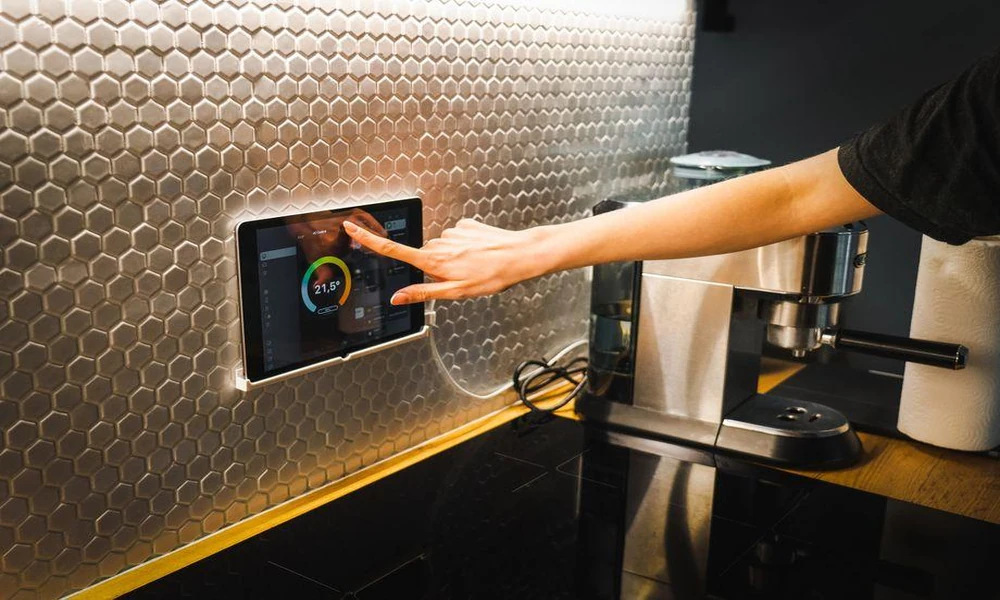
Understanding Modern Home Systems and Automation
A modern home system, often called a smart home or home automation system, represents a significant leap beyond traditional home controls. Instead of isolated switches and appliances, these systems integrate various devices and functions into a cohesive, interconnected network. Imagine a home where your lighting adjusts to the time of day, the thermostat learns your preferences, and security cameras alert you to unusual activity-all managed from a central interface or even your voice. This level of integration is made possible by the Internet of Things (IoT), a foundational technology that allows everyday objects to connect and exchange data over the internet. Connectivity is the lifeline of these systems, enabling remote control, automation, and real-time monitoring, transforming a house into an intelligent living environment that responds to your needs.
The Evolution of Traditional Home Controls to Smart Home Systems
The journey from manual controls to sophisticated smart systems has been gradual but transformative. For decades, home controls were largely mechanical or simple electrical switches, requiring direct interaction for every function. These “legacy systems” were effective but offered no automation or remote capabilities. The advent of early home automation technologies, such as X10 in the 1970s, allowed some devices to communicate over existing electrical wiring, laying the groundwork for more advanced solutions.
Today, the landscape is dominated by wireless protocols like Zigbee and Z-Wave, which enable devices to communicate reliably without extensive new wiring. These protocols create a mesh network in which devices can relay signals to one another, extending the system’s range and robustness. This evolution means that whether you’re controlling your lights, managing your home’s temperature, or even overseeing specialized systems like those offered by Texas Home Systems heat pumps, the underlying technology is designed for seamless integration and ease of use. The smart home market, valued at $64 billion in 2022, is projected to surge to $163 billion by 2028, underscoring this rapid progression and widespread adoption.
Key Components of a Connected Infrastructure
Building a truly effective and reliable smart home goes beyond simply acquiring smart gadgets; it requires a robust underlying infrastructure. At its core, a connected home often benefits from structured wiring, especially in new construction or significant renovations. This involves pre-installing Ethernet cables and other low-voltage wiring throughout the home, providing a stable, high-speed backbone for devices that require consistent connectivity. While wireless technologies are prevalent, a wired foundation ensures maximum reliability and speed for critical components.
Another crucial element is local processing. Many modern home systems prioritize processing data directly within the home’s hub or devices, rather than relying solely on cloud servers. This approach enhances speed, ensures greater reliability (even during internet outages), and significantly bolsters data privacy. By keeping sensitive data-such as security footage or occupancy patterns-within your home network, you minimize the risk of external breaches.
Speaking of security, robust network security is paramount. This includes implementing strong firewalls, using complex, unique passwords for all devices, and regularly updating firmware to patch vulnerabilities. Data privacy extends to understanding what data your smart devices collect, how it’s stored, and who has access to it. Homeowners should always review privacy policies and opt for systems that offer transparent data-handling practices and allow users to control data sharing.
Core Technologies Powering Today’s Households
Modern home systems are a symphony of interconnected technologies, each playing a vital role in creating an intelligent living space. From the moment you wake up to the time you go to bed, these systems work in concert to enhance comfort, security, and efficiency. Smart lighting, for instance, has moved beyond simple on/off switches to offer dimming, color temperature adjustments, and automated scheduling that can adapt to your daily routines or even to the natural light outside. Smart appliances, such as refrigerators that track inventory or ovens that can be controlled from your smartphone, are also becoming more common, streamlining household chores.
However, one of the most impactful integrations is with your home’s core operational systems, particularly HVAC. The ability to intelligently manage heating, ventilation, and air conditioning not only enhances comfort but also delivers substantial energy savings. This integration is a cornerstone of a truly smart and efficient home.
Intelligent Climate and Environmental Controls
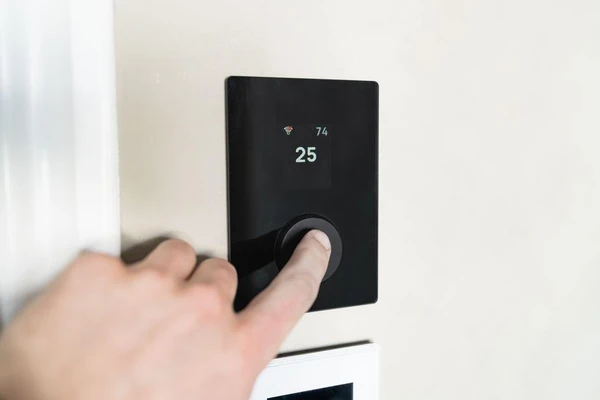
Optimizing your home’s climate is a key benefit of modern home systems. Intelligent climate controls leverage smart thermostats that learn your preferences, adapt to seasonal changes, and can even adjust based on occupancy. Many systems offer zoned heating and cooling, allowing you to set different temperatures for various areas of your home. This ensures personalized comfort while avoiding energy waste in unoccupied rooms, leading to significant energy efficiency improvements. For instance, you could keep your bedroom cooler at night while maintaining a comfortable temperature in your living areas during the day.
Beyond temperature, modern systems also focus on Indoor Air Quality (IAQ). Integrated IAQ systems monitor factors like humidity, CO2 levels, and pollutants, automatically activating air purifiers or ventilation systems when needed. This proactive approach ensures a healthier living environment. For homes looking to upgrade their heating and cooling infrastructure, options like Heat Pump Systems offer highly efficient solutions that integrate seamlessly with smart controls. These systems, along with advanced Air Conditioning Systems and Heating Systems, can be managed through a central hub or mobile app, providing unparalleled control and optimizing energy usage. Additionally, specialized solutions such as Mini Split Systems can offer targeted climate control for specific zones, further enhancing efficiency.
Automated Security and Surveillance Solutions
The security aspect of modern home systems has evolved dramatically, offering homeowners peace of mind through proactive and responsive measures. Smart locks enable keyless entry, remote access control, and the issuance of temporary access codes to guests or service providers. Video doorbells provide a live feed of your front door, enabling two-way communication with visitors and sending alerts for motion detection or package deliveries, even when you’re away.
For comprehensive surveillance, integrated camera systems offer continuous monitoring. Many advanced systems now emphasize local storage for security footage, ensuring your video data remains under your control and is not reliant solely on cloud services. This approach enhances privacy and provides greater reliability. Furthermore, the incorporation of on-premises AI enables more intelligent analysis of video feeds, distinguishing between people, vehicles, and animals, reducing false alarms, and enabling faster, more secure threat detection. These integrated security features create a robust defense for your home, often working in conjunction with traditional alarm systems for a multi-layered approach.
Planning and Implementing Upgrades
Embarking on a journey to modernize your home’s systems requires careful planning and consideration. The goal is to achieve seamless system integration, where all your smart devices and core home functions communicate effectively, rather than operating as isolated gadgets. Homeowners often face a choice between professional installation and a do-it-yourself (DIY) approach. Professional installation typically offers expertise, ensures optimal system configuration, and provides ongoing support, which is particularly valuable for complex whole-home solutions. Companies like Control4, for example, emphasize working with professional integrators for reliable, adaptable systems. Conversely, a DIY approach, often favored by platforms like Home Assistant, offers greater customization and cost savings but requires a higher level of technical proficiency and commitment to prototyping your smart home.
When planning, it’s also crucial to consider the fundamental architecture of your smart home-whether to lean towards local control or cloud-based systems. The table below highlights key differences:
Feature Local Control Systems (e.g., Home Assistant) Cloud-Based Systems (e.g., many off-the-shelf smart devices) Data Privacy High: Data processed and stored within your home, minimal reliance on external servers. Moderate to Low: Data often stored and processed on company servers, subject to their privacy policies. Reliability High: Functions even without internet connection for core automations. Moderate: Heavily reliant on internet connection and cloud server availability. Speed High: Faster response times as commands are processed locally. Moderate: Latency can occur due to data traveling to and from cloud servers. Customization High: Open-source nature allows for extensive personalization and integration. Moderate to Low: Limited to features and integrations offered by the vendor. Cost Potentially lower initial hardware cost, but requires technical setup. Often has a lower entry barrier, but can incur ongoing subscription fees. Ease of Use Can have a steeper learning curve for initial setup. Generally easier to set up for basic functions. Selecting the Right Smart Home Systems for Your Needs
Choosing the ideal smart home system involves evaluating several factors unique to your household. First, consider compatibility with any existing smart devices you already own. A new system should ideally integrate seamlessly with your current setup to avoid creating a fragmented experience. Second, think about scalability. Your needs may evolve, so selecting a system that can easily expand with new devices and functionalities is crucial. Open-source platforms like Home Assistant, which integrates with over 1,000 different brands and services and is trusted by over 2 million households worldwide, offer immense flexibility and customization, making them highly scalable.
However, not everyone has the time or technical inclination for a DIY open-source solution. Many homeowners prefer turnkey solutions or professional guidance. For those interested in a more structured approach, even exploring a Smart Home Systems franchise can provide insights into established business models and professional services available in the smart home integration space. These types of businesses can offer curated systems and professional installation, simplifying the process for homeowners. The “right” system balances your budget, technical comfort, and long-term vision for your connected home.
Maintaining and Troubleshooting Modern Appliances
Once your home systems are installed, ongoing maintenance is key to ensuring their longevity, efficiency, and security. Preventative maintenance for smart appliances, much like traditional ones, can prevent costly breakdowns. This might involve regularly cleaning the sensors on your smart thermostat, checking for firmware updates on your smart washer, or ensuring proper ventilation for your integrated kitchen appliances. For your home’s core systems, such as Plumbing or Ductwork, routine inspections are vital to catch issues before they escalate.
Software updates are critical for all smart devices. These updates often include security patches to protect against new vulnerabilities, performance improvements, and new features. Neglecting updates can leave your system exposed to security risks. Device calibration, particularly for sensors and smart thermostats, ensures accurate readings and optimal performance. For example, recalibrating your smart thermostat annually can ensure it continues to accurately sense your home’s temperature, leading to consistent comfort and energy savings.
Despite best efforts, issues can arise when a smart appliance malfunctions, and specialized knowledge is often required to resolve them. For complex problems, consulting experts in Appliance home systems repair can save you time and ensure the job is done correctly. Similarly, issues with integrated systems like Water Heaters or Tankless Water Heaters often benefit from professional attention to maintain efficiency and safety. Regular maintenance and prompt troubleshooting are investments in the seamless operation and long-term value of your modernized home.
Frequently Asked Questions about Home Systems
As homeowners increasingly embrace modern home systems, several common questions often arise regarding their fundamental operation, security, and resilience. Concerns about data privacy, system reliability, and performance during power outages are natural. Addressing these questions is crucial for building confidence and understanding in the capabilities and limitations of smart home technology.
How do modern home systems protect user data privacy?
Protecting user data privacy is a critical consideration in the design and implementation of modern home systems. Many reputable systems employ several strategies to safeguard sensitive information. Foremost is the principle of local processing, where data from sensors and cameras is analyzed directly within your home’s hub or on the device itself, rather than being sent to external cloud servers. This significantly reduces exposure to potential breaches.
Encryption is another cornerstone of privacy. Data is encrypted both in transit (when communicating between devices or to a secure cloud service, if used) and at rest (when stored on devices or servers). This makes it extremely difficult for unauthorized parties to intercept or interpret your data. Furthermore, some systems offer robust offline functionality, meaning essential automations and controls can continue to operate even if your internet connection is down, further limiting reliance on external networks for critical functions. Homeowners should always research a system’s privacy policy and choose platforms that offer transparency and control over their data.
Can automated systems operate during a power outage?
The ability of automated systems to function during a power outage depends largely on their design and the backup solutions in place. Critical components, such as the central hub, security cameras, and smart locks, can often be equipped with battery backup systems. This ensures that essential security and control functions remain operational for a limited time, typically several hours.
Moreover, many smart home devices use local protocols such as Zigbee or Z-Wave, which create a mesh network within your home. These networks do not rely on Wi-Fi or an active internet connection for device-to-device communication. Therefore, even if your router loses power, devices within the local mesh can still communicate and execute pre-programmed automations. For extended resilience, integrating your smart home system with a home generator provides a comprehensive solution, ensuring that all powered devices, including your HVAC and home systems, continue to function seamlessly during prolonged outages.
What is the difference between open-source and proprietary platforms?
The choice between open-source and proprietary platforms is a fundamental decision for homeowners entering the smart home world, impacting everything from customization to support.
Open-source platforms, such as Home Assistant, are developed by a community of users and developers. Their software code is publicly available, enabling extensive customization.
- Customization: Users can modify the code, create unique automations, and integrate virtually any device, even those not officially supported. This flexibility is a major draw for tech-savvy individuals.
- Community Support: While professional support might be less formal, a vibrant online community offers extensive resources, forums, and user-generated solutions.
- Privacy: Often prioritize local control, enhancing data privacy by reducing reliance on cloud services.
- Cost: Often free software, but may require investment in hardware and significant time for setup and maintenance.
Proprietary platforms, offered by companies like Control4 or ADT, are developed and owned by a single entity.
- Ease of Use: Generally designed for a more straightforward user experience, with professional installation and streamlined interfaces.
- Professional Support: Typically includes dedicated customer service, warranties, and, often, professional installation and maintenance services.
- Ecosystem Lock-in: Users are often limited to devices and integrations within the vendor’s ecosystem, which can lead to “vendor lock-in.”
- Cost: Can involve higher upfront costs for hardware and installation, as well as recurring subscription fees for advanced features or cloud services.
The choice depends on a homeowner’s technical comfort, desire for customization, and preference for professional support versus a more hands-on approach.
Conclusion
Modernizing your home’s systems and appliances is more than just adopting new technology; it’s an investment in creating a future-ready home that offers unparalleled comfort, security, and efficiency. From intelligent climate controls and robust security solutions to integrated Indoor Air Quality Systems and energy-saving appliances, these advancements are redefining how we interact with our living spaces. The journey involves understanding key technologies, making informed platform choices, and committing to ongoing maintenance.
By carefully planning your upgrades and considering factors such as compatibility, scalability, and data privacy, you can unlock the long-term value of a smart home. The benefits extend beyond convenience, contributing to significant energy savings, enhanced property value, and a more secure environment for your family. As technology continues to evolve, our homes will only become more intuitive and responsive, promising a future of truly seamless living. Embracing these innovations today means stepping into a home that is not only smarter but also more sustainable and enjoyable for years to come.
