

Protecting Your Investment: Essential Home Maintenance and Repair ServicesBuilding a Proactive Essential Home Maintenance Strategy
A well-structured home maintenance plan is your best defense against unexpected and costly repairs. By May 2026, homeowners are increasingly leveraging digital tools and smart home integration to stay on top of their property’s needs. Creating and diligently following an effective home maintenance checklist is not just about ticking boxes; it’s about strategic asset management. Homeowners who consistently perform regular maintenance can save a significant amount, potentially up to 30%, on future repair costs, turning potential emergencies into manageable tasks.
Your strategy should encompass monthly, seasonal, and annual tasks. Monthly tasks are often quick checks and minor upkeep, seasonal tasks prepare your home for changing weather, and annual tasks involve more thorough inspections and servicing of major systems. To execute these tasks efficiently, every homeowner should possess a foundational set of tools. This essential toolkit typically includes a reliable claw hammer, a versatile screwdriver set with various bits, an adjustable wrench for plumbing and fasteners, a durable tape measure, a power drill for various projects, a level for accurate installations, a utility knife with replaceable blades, a set of pliers (needle-nose and slip-joint), a stud finder, plungers for both sinks and toilets, an Allen wrench set, bright LED flashlights or headlamps, a caulking gun, and a sturdy step ladder. Keeping these tools organized in a toolbox or bag ensures they are ready when needed, enabling swift action on small issues before they escalate.
The goal is preventive scheduling. By allocating a portion of your budget-typically 1% to 4% of your home’s value annually-towards maintenance, you’re building an emergency fund for your home, safeguarding its longevity and your peace of mind. This proactive approach significantly reduces the likelihood of sudden, expensive breakdowns.
Seasonal Care for Exterior Systems and Roofing
The exterior of your home acts as its first line of defense against the elements, making seasonal maintenance crucial. Regular attention to your roof, gutters, siding, and foundation can prevent water damage, pest infestations, and structural issues.
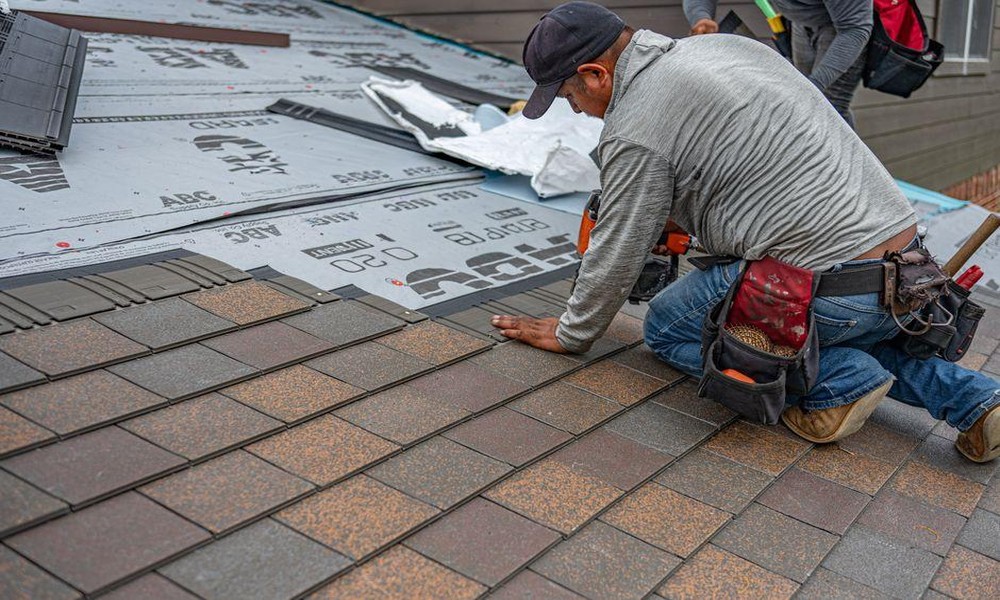
As part of your seasonal routine, thoroughly clean your gutters and ensure downspouts are clear of debris, directing water effectively away from the foundation. Inspect your foundation for any cracks or signs of shifting, and ensure the ground around your home is properly graded to prevent water pooling. Check the integrity of your siding for any damage, loose panels, or signs of wear. For comprehensive guidance on maintaining your home’s protective layer, exploring resources like Golini’s essential roof care can provide invaluable insights into safeguarding your roof. We recommend a professional roof inspection every three years to catch subtle issues that might be missed during a visual check from the ground.
Beyond the roof, inspect and seal any gaps around windows and doors, and repair or replace any damaged exterior caulking. If you have a wood deck, cleaning and staining it annually will protect it from weather damage. Don’t forget pest prevention; seal any entry points and consider professional pest control to keep unwanted guests out. For homes in specific regions, incorporate tasks like hurricane preparedness (securing loose items, checking storm shutters) or creating a defensible space around your home in wildfire-prone areas by clearing brush and debris.
Maintaining Critical Indoor Systems for Efficiency and Safety
Inside your home, critical systems like HVAC, plumbing, and electrical require consistent attention to ensure efficiency, safety, and comfort. Neglecting these can lead to significant energy waste, health hazards, and costly repairs.
For your HVAC system, regular air filter replacement is paramount. We recommend checking filters monthly and replacing them every 1 to 3 months, depending on usage, filter type, and the presence of pets or allergens. This simple task can improve your system’s efficiency by up to 15% and extend its lifespan. Beyond filters, professional HVAC maintenance is essential. Schedule an AC tune-up in the spring and a furnace tune-up in the fall. These professional services ensure your system is running optimally, checking refrigerant levels, electrical connections, and cleaning coils. When unexpected issues arise, having access to reliable services like Birmingham 24-hour furnace repair can be a lifesaver, ensuring your home remains comfortable even during emergencies. Regular maintenance also contributes significantly to indoor air quality, reducing allergens and pollutants.
Plumbing maintenance involves checking for leaks under sinks, around toilets, and at appliance connections. Flush your water heater annually to remove sediment buildup, which improves efficiency and extends the unit’s life. For electrical safety, test all Ground Fault Circuit Interrupter (GFCI) outlets monthly. Crucially, test smoke alarms and carbon monoxide detectors monthly, and replace these units every 10 years (CO detectors every 5-7 years) regardless of whether they still seem functional.
Here’s a quick comparison of tasks suitable for DIY versus those best left to professionals:
Task Category DIY Maintenance Tasks Professional Service Requirements HVAC Filter replacement, clearing outdoor unit debris Annual tune-ups, refrigerant checks, complex repairs, duct inspection Plumbing Checking for leaks, unclogging drains, flushing water heater Major pipe repairs, water heater replacement, septic system inspection Electrical Testing GFCI outlets, checking cords for wear Breaker panel inspection, wiring repairs, new installations Roofing Visual ground inspection, gutter cleaning Three-year thorough inspections, shingle replacement, leak repair Safety Devices Monthly testing of smoke/CO detectors 10-year unit replacement, hard-wired system checksAvoiding Common Pitfalls in Property Upkeep
One of the biggest mistakes homeowners make is neglecting maintenance, often leading to far more severe and expensive problems down the line. Deferred maintenance is a slippery slope that can rapidly erode your home’s value and compromise its safety.
Why Skipping Essential Home Maintenance Leads to Emergency Repairs
The difference between proactive maintenance and reactive repairs can be staggering. Neglecting home maintenance can lead to repair costs that are 3-5 times higher than the cost of preventive care. For instance, a small roof leak, if ignored, can lead to widespread water damage, mold growth, and structural rot, turning a minor fix into a major renovation. Similarly, skipping HVAC tune-ups can result in system failure during extreme weather, leaving you scrambling for emergency service and facing higher repair or replacement costs. This reactive approach not only hits your wallet harder but also causes significant inconvenience and stress. We’ve seen how crucial regular upkeep is to avoiding these emergencies.
Moreover, insurance policies typically do not cover damage resulting from neglect or a lack of maintenance. This means if a burst pipe is found to be caused by long-term wear and tear that could have been prevented, your claim might be denied, leaving you to bear the full cost of repairs. Regular maintenance also helps ensure compliance with appliance and system warranties, many of which require documented professional servicing to remain valid. A well-maintained home ensures your family’s comfort and safety, preventing system failures that could disrupt your daily life or create hazardous conditions.
Best Practices for Indoor and Outdoor Essential Home Maintenance
To maintain your home effectively, integrate these best practices into your routine:
- Seasonal Fan Reversal: Reverse ceiling fan direction to push warm air down in winter (clockwise) and pull cool air up in summer (counter-clockwise), optimizing comfort and energy use.
- Refrigerator Coil Cleaning: Clean refrigerator condenser coils every six months to improve efficiency and extend the appliance’s life.
- Dryer Vent Safety: Clean your dryer vent annually to prevent lint buildup, a significant fire hazard, and improve drying efficiency.
- Sump Pump Testing: Test your sump pump annually by pouring water into the pit to ensure it activates, preventing basement flooding.
- Irrigation Winterization: In colder climates, winterize your irrigation system before the first freeze to prevent pipes from bursting.
- Tree Trimming: Trim trees and shrubs away from your home and power lines to prevent damage during storms and reduce pest access.
- Weatherstripping: Inspect and replace worn weatherstripping around doors and windows to prevent drafts and improve energy efficiency.
- Smart Thermostat Optimization: Utilize programmable or smart thermostats to manage your home’s climate efficiently, reducing wear and tear on your HVAC system and saving energy.
- Documenting Service History: Keep a detailed log of all maintenance performed, including dates, costs, and any professional services. This record is invaluable for warranties, insurance, and future homeowners.
By adopting these practices, homeowners can protect their investment, enhance safety, and improve energy efficiency, aligning with modern 2026 energy standards and ensuring their property remains a valuable asset for years to come.
Frequently Asked Questions about Home Upkeep
How much should I budget for annual home maintenance in 2026?
The general rule of thumb suggests budgeting 1% to 4% of your home’s value annually for maintenance. For example, if your home is valued at $350,000, you should aim to set aside between $3,500 and $14,000 each year. This range accounts for factors like the age of your home, its size, location (e.g., coastal areas may require more frequent exterior maintenance), and overall condition. An older home with original systems will likely require a budget closer to the higher end of this spectrum, while a newer home might fall on the lower end.
When is it necessary to hire a professional instead of performing DIY repairs?
While many basic maintenance tasks can be handled by a homeowner, it’s crucial to know when to call in a professional. We recommend hiring professionals for tasks that involve specialized knowledge, complex systems, safety risks, or when you lack the proper tools or expertise. This includes annual HVAC servicing, major electrical work, significant plumbing repairs (beyond a simple clog), roof repairs, chimney cleaning, and structural inspections. Attempting complex repairs yourself can lead to further damage, void warranties, or even create safety hazards. When in doubt, consulting a professional is always the safest and often most cost-effective choice in the long run.
How does regular maintenance impact the resale value of my home?
Regular home maintenance significantly impacts your home’s resale value. A well-maintained home signals to potential buyers that the property has been cared for, reducing their concerns about hidden problems and future expenses. Key areas that influence resale value include a well-functioning HVAC system (with service records), a sound roof and gutters, a well-maintained exterior (paint, siding, caulking), and updated kitchens and bathrooms. Homes with a documented history of maintenance often appraise higher and sell faster, as buyers are willing to pay a premium for peace of mind and a move-in ready condition. Conversely, neglected maintenance can lead to depreciation and may require significant repairs before a sale, often at a higher cost than if addressed proactively.
Conclusion
In May 2026, the importance of essential home maintenance cannot be overstated. Your home is not just a place to live; it’s a significant financial asset that demands consistent care and attention. By embracing a proactive approach to maintenance, you unlock a multitude of benefits, from long-term savings on costly emergency repairs to the invaluable peace of mind that comes with a safe, efficient, and comfortable living environment.
We’ve explored how a strategic plan, incorporating monthly, seasonal, and annual tasks, coupled with the right tools, forms the bedrock of effective home upkeep. From protecting your exterior systems against the elements to ensuring your critical indoor systems operate safely and efficiently, every task contributes to your home’s longevity and value. Avoiding common pitfalls like deferred maintenance is crucial, as reactive repairs invariably cost more and cause greater stress.
Consistent home maintenance is an investment in your future. It safeguards your property’s value, enhances energy efficiency, and ensures the safety and comfort of your loved ones. By following this extensive guide and making maintenance a regular part of your homeowner journey, you’re not just performing chores; you’re engaging in sustainable living and smart asset management. Embrace proactive ownership, and your home will continue to be a source of comfort and value for years to come.
